Have you ever stood up from a chair and heard a clicking sound from your knee? Or perhaps you’ve noticed a popping noise while climbing stairs, squatting, or stretching your legs. These sounds can be surprising, especially when they happen frequently.
A Knee Clicking Sound is quite common and can occur at any age. Sometimes, it happens without pain or discomfort. In other cases, it may be accompanied by swelling, stiffness, or difficulty moving the knee.
While occasional clicking is usually harmless, repeated sounds associated with pain or other symptoms may indicate an underlying joint problem. Understanding what causes these noises can help you recognise when they are normal and when medical attention may be necessary.
What Causes a Knee Clicking Sound?
A Knee Clicking Sound occurs when structures inside or around the knee produce a clicking, cracking, popping, or grinding noise during movement. Doctors sometimes use the term crepitus to describe certain joint sounds and sensations.
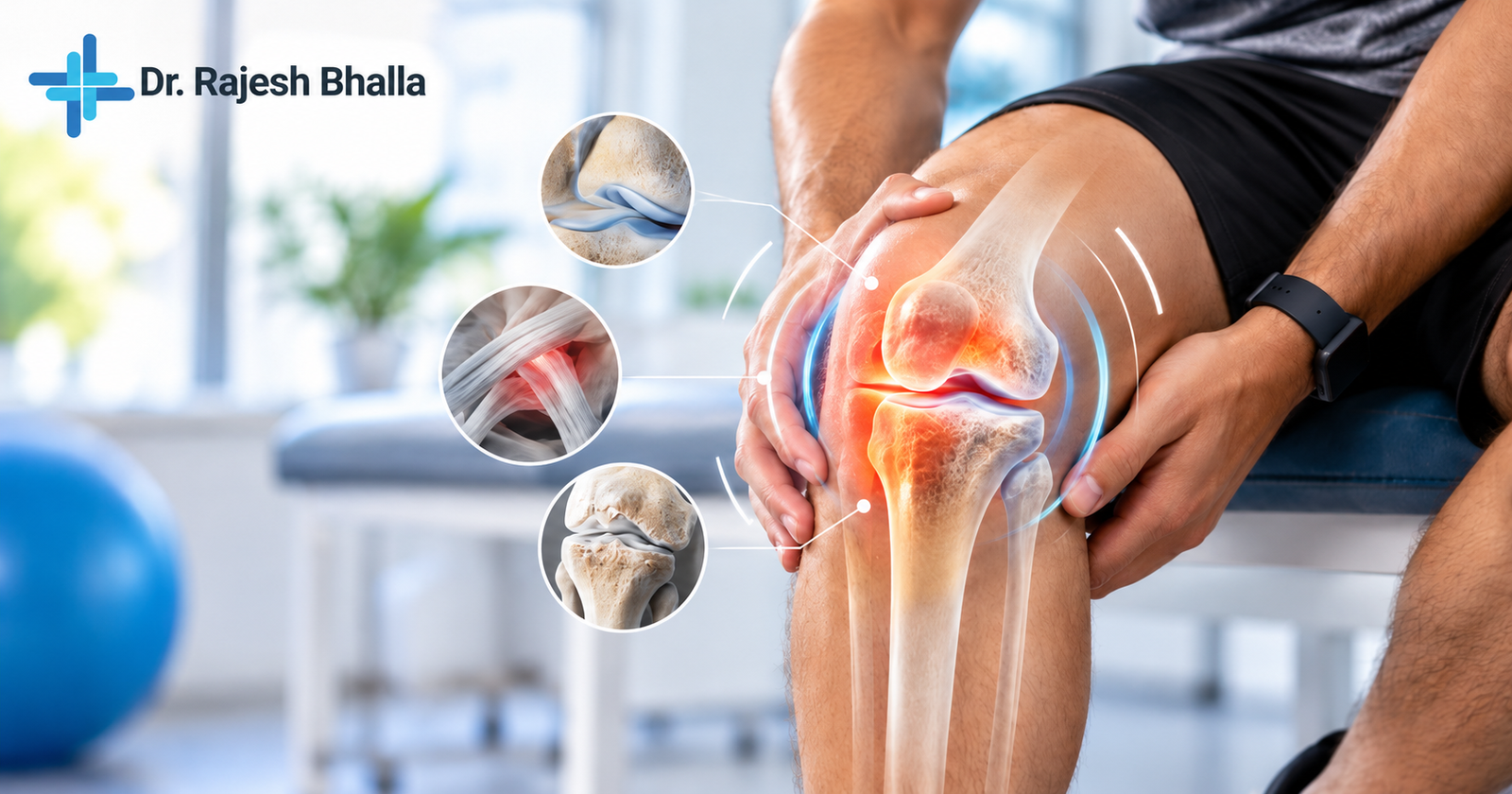
Your knee is a weight-bearing joint that connects three bones: the thigh bone (femur), shin bone (tibia), and kneecap (patella). These bones work together with cartilage, ligaments, tendons, muscles, and synovial fluid to support smooth movement.
When you walk, bend, squat, or straighten your leg, these structures move together. Changes in pressure within the joint fluid, movement of tendons over nearby tissues, or changes in cartilage can sometimes produce noticeable sounds.
In some cases, knee clicking may also be associated with conditions such as a meniscus injury, patellofemoral problems, or knee osteoarthritis.
The important thing to remember is that knee clicking does not always mean joint damage. Occasional painless clicking is generally not a cause for concern. However, if the sound is accompanied by persistent pain, swelling, locking, or instability, consulting an orthopaedic specialist is recommended.
7 Common Causes of Knee Clicking and Popping Sounds
1. Gas Cavities in the Joint Fluid
Your knee contains synovial fluid, which lubricates the joint and helps its surfaces move smoothly.
Changes in joint pressure can lead to the formation or alteration of gas cavities, sometimes producing a popping noise.
This type of sound is often painless and may occur during stretching, walking, or moving after sitting.
If your knee clicks occasionally without pain or swelling, it generally does not indicate a serious problem.
2. Tendons and Ligaments Moving During Activity
Tendons connect muscles to bones, while ligaments support joint stability.
As your knee bends or straightens, some of these tissues may move over nearby structures, creating a snapping or clicking sensation.
You might notice this sound while getting out of bed, standing up from a chair, or performing exercises.
In many cases, painless clicking is normal. However, repeated snapping associated with discomfort should be assessed.
3. Cartilage Changes and Knee Osteoarthritis
Cartilage forms a smooth protective layer over the ends of bones inside the knee.
Over time, cartilage may undergo changes associated with ageing, previous injuries, or osteoarthritis.
When joint surfaces become less smooth, movements may produce cracking, grinding, or crunching sensations.
People with knee osteoarthritis may also experience pain, swelling, stiffness after rest, and difficulty climbing stairs.
However, it is important to remember that knee clicking alone does not mean you have arthritis.
Joint symptoms can vary across different age groups. If you want to understand how knee problems may change over time, read our article on Knee Pain in Your 30s, 40s & 50s: Causes, Treatment & Prevention.
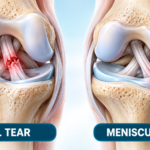
4. Meniscus Tear or Injury
The meniscus is a C-shaped piece of cartilage that acts as a shock absorber between the thigh bone and shin bone.
It helps distribute weight and contributes to stable knee movement.
A meniscus tear can occur after a twisting injury, sudden movement, or age-related weakening of the tissue.
Possible symptoms include clicking or catching inside the knee, pain when twisting, swelling, and difficulty fully bending or straightening the leg.
If your knee becomes stuck or repeatedly locks, it is important to seek medical advice.
5. Kneecap Tracking and Patellofemoral Problems
Your kneecap normally moves along a groove in the thigh bone as you bend and straighten your knee.
Sometimes, irritation around the patellofemoral joint can cause pain, grinding, or clicking sensations.
People with patellofemoral pain may notice discomfort when climbing stairs, squatting, running, or sitting with their knees bent for a long time.
Muscle strength, movement patterns, training load, and other factors may influence symptoms.
A physical examination can help identify whether the kneecap area is contributing to the problem.
6. Knee Ligament Injuries
Ligaments help maintain knee stability during walking, running, jumping, and changing direction.
A sudden twist, fall, or sports injury may damage one or more ligaments.
For example, some people hear or feel a pop when an anterior cruciate ligament (ACL) injury occurs.
This may be followed by pain, swelling, instability, or difficulty placing weight on the injured leg.
A sudden pop during an injury is different from routine painless clicking and may require prompt medical evaluation.
7. Overuse and Sudden Changes in Exercise
Starting an intense workout routine without proper preparation can put additional stress on the knees.
Repeated running, jumping, squatting, or other high-load activities may irritate tissues around the joint.
Sometimes, discomfort develops when people suddenly increase their training intensity or return to exercise after a long break.
This does not mean exercise is bad for your knees. The problem may lie in doing too much too quickly.
To understand how exercise habits can affect joint health, explore our guide on How Occasional Exercise Can Harm Your Knees.
Is Knee Clicking Without Pain Normal?
Yes. Knee clicking without pain is common and usually does not require treatment.
If your knee makes a sound while walking or bending but you can move comfortably, there may be no underlying problem.
Many healthy people experience painless popping or cracking sounds during normal joint movements.
However, monitor for changes. If the clicking begins after an injury or develops alongside pain, swelling, locking, or instability, a medical assessment may be appropriate.
You do not need to stop all physical activity simply because your knee makes noise.
Knee Clicking With Pain vs Without Pain: What’s the Difference?
| Knee Clicking Without Pain | Knee Clicking With Pain |
|---|---|
| Often occurs during normal movement | May be associated with irritation or injury |
| Usually no swelling | Swelling may also be present |
| Normal walking and bending | Movement may become uncomfortable |
| Joint feels stable | Instability or catching may occur |
| Often needs no treatment | May need medical examination |
Important: This comparison is only a general guide. A painless knee can still have an underlying condition, and pain does not always indicate serious structural damage.
Why Does My Knee Click When I Walk?
A knee may click during walking because of normal movement of joint structures, tendon movement, or changes within the joint.
Some people notice the sound more clearly after long periods of sitting or when they begin moving in the morning.
If the knee feels comfortable and stable, occasional clicking is generally not concerning.
However, clicking associated with repeated pain, swelling, limping, or a sensation that the knee may give way should be assessed by a healthcare professional.
Why Does My Knee Make a Popping Sound When I Squat?
Squatting requires the knee to bend while supporting part of your body weight.
During this movement, the kneecap and surrounding joint structures experience increased forces. Existing joint noises may become more noticeable.
A painless popping sound during squats does not automatically indicate damage.
However, if squatting causes pain at the front of your knee or produces catching or locking, it is sensible to modify the exercise and seek assessment if symptoms continue.
Can Knee Clicking Be a Sign of Arthritis?
Knee clicking can occur in people with osteoarthritis, but it is not enough to diagnose the condition.
Knee osteoarthritis is associated with changes in cartilage and other joint structures.
Common symptoms include pain during movement, stiffness after rest, reduced flexibility, and sometimes swelling or grinding sensations.
An orthopaedic specialist can evaluate your symptoms and examine the knee. An X-ray may be recommended when clinically appropriate.
Not every person with knee clicking has arthritis, and not every person with arthritis experiences noticeable clicking.
When Should You Worry About Knee Clicking?
Occasional painless clicking is generally less concerning than clicking accompanied by other symptoms.
Seek medical evaluation if you notice:
- Repeated pain during walking, squatting, or climbing stairs.
- Swelling that develops or keeps returning.
- Knee locking, catching, or giving way.
- Difficulty bending or straightening the knee.
- Clicking that starts after a sports injury or fall.
- Symptoms that interfere with everyday activities.
Seek urgent medical attention if the knee is severely painful, visibly deformed, badly swollen, unable to bear weight, or hot and red with fever.
Recognising these signs can help you avoid delaying important medical care. You can also read Signs Your Body Is Asking for a Joint Specialist for further guidance on joint symptoms that deserve attention.
How Do Orthopaedic Doctors Diagnose Knee Clicking?
The first step is understanding when the sound occurs and whether it is associated with pain, stiffness, swelling, or an injury.
An orthopaedic specialist may examine your knee movement, joint stability, muscle strength, swelling, and areas of tenderness.
Depending on the findings, further tests may be recommended.
Physical Examination
A physical examination helps identify where the symptoms occur and whether particular movements reproduce discomfort.
X-ray
An X-ray may help identify bony changes, joint-space narrowing, or signs of osteoarthritis.
MRI Scan
An MRI may be recommended when there is concern about a meniscus tear, ligament injury, or other soft-tissue problem.
Not every patient with knee clicking needs imaging. The decision depends on the medical history, symptoms, and clinical examination.
Treatment Options for Knee Clicking Sound
The right treatment depends on the cause of the clicking and whether symptoms are present.
1. Physiotherapy
Physiotherapy may help improve muscle strength, flexibility, balance, and knee control.
Exercises targeting the quadriceps, hamstrings, and hip muscles can support the knee during everyday movements.
The exercises should be selected according to your condition and physical ability.
2. Activity Modification
Temporarily reducing activities that trigger pain may help irritated tissues recover.
This might involve adjusting squat depth, reducing running intensity, or changing the number of repetitions during exercise.
3. Managing Pain and Swelling
For a recent minor knee injury, reducing aggravating activity and applying a wrapped cold pack may help manage discomfort.
A doctor may recommend suitable medication depending on the cause and your overall health.
Avoid taking anti-inflammatory medication for prolonged periods without medical advice.
4. Maintaining a Healthy Weight
For people who are overweight, gradual weight management can help reduce the load placed on weight-bearing joints.
Combining an appropriate diet with suitable physical activity may support long-term knee health.
5. Medical or Surgical Treatment When Necessary
Some conditions require additional treatment if symptoms persist despite appropriate non-surgical care.
In selected cases, injections or surgery may be considered based on the diagnosis, severity of symptoms, functional limitations, and response to earlier treatment.
Knee clicking by itself is not an indication for knee replacement surgery.
How to Keep Your Knees Healthy and Reduce Unnecessary Strain
You cannot prevent every clicking sound, and you do not need to. The more useful goal is to maintain strong, comfortable, and functional knees.
Stay Regularly Active
Low-impact activities such as walking, swimming, and cycling can help maintain mobility and general fitness.
Strengthen the Muscles Around Your Knees
Strong quadriceps, hamstrings, and hip muscles help support movement and stability.
Increase Exercise Intensity Gradually
Avoid suddenly switching from an inactive routine to intense running, jumping, or heavy squatting.
Avoid Forcing Painful Movements
If an exercise repeatedly causes pain or swelling, adjust the activity instead of pushing through discomfort.
Pay Attention to Early Symptoms
Persistent pain, swelling, locking, or instability deserves more attention than an isolated popping sound.
Knee discomfort is not limited to older adults. Younger people may also experience joint problems from sports injuries, repetitive strain, or changes in physical activity. Learn more in our article Why Is Knee Pain Increasing in Young Adults?.
When Should You Consult an Orthopaedic Specialist in Delhi?
If your Knee Clicking Sound is accompanied by ongoing pain, swelling, instability, locking, or difficulty walking, consulting an orthopaedic specialist can help clarify the cause.
An examination is especially important when symptoms begin after an injury or affect your ability to perform routine activities.
For individuals looking for orthopaedic guidance in Delhi, Dr. Rajesh Bhalla’s website provides information about bone and joint health, knee-related concerns, and orthopaedic care.
The aim of an assessment is to identify the underlying problem and determine whether reassurance, physiotherapy, medication, or further treatment is appropriate.
For more information or consultation enquiries, visit Dr. Rajesh Bhalla’s official website.
Frequently Asked Questions About Knee Clicking Sound
1. What is the most common reason for a knee clicking sound?
Knee clicking can occur because of normal joint movement, changes in pressure within synovial fluid, or movement of tendons and other tissues. Some people experience clicking due to cartilage changes or injuries. The cause depends on accompanying symptoms and examination findings.
2. Is a knee clicking sound dangerous?
A painless Knee Clicking Sound is usually harmless. Clicking that occurs with pain, swelling, locking, or instability may indicate a problem requiring medical evaluation.
3. Why does my knee click every time I bend it?
Repeated clicking during bending may result from movement of joint structures, kneecap-related mechanics, or cartilage and meniscus problems. If the movement is painful or the knee catches, consult an orthopaedic specialist.
4. Does knee clicking mean cartilage damage?
No. Painless clicking can occur in healthy knees. Cartilage changes are one possible cause of joint noise, but clicking alone cannot confirm cartilage damage.
5. Can exercise help with knee clicking?
Appropriate strengthening and mobility exercises may improve knee function, especially when symptoms relate to muscle weakness or movement patterns. However, exercises should be adapted if there is pain or a suspected injury.
6. Why does my knee pop when climbing stairs?
Climbing stairs increases the forces around the kneecap and knee joint. This can make joint sounds more noticeable. If the popping is associated with pain, an examination may help identify the cause.
7. Is knee clicking a sign of arthritis at a young age?
Not necessarily. Knee clicking is common across different age groups. Arthritis is only one possible explanation and usually requires assessment of symptoms and other clinical findings.
8. Can a meniscus tear cause clicking sounds?
Yes. A meniscus tear may cause clicking, catching, pain, swelling, or locking, particularly after a twisting injury. A medical examination can help determine whether a meniscus injury is likely.
9. Can knee clicking be treated without surgery?
Yes. Many conditions associated with clicking can be managed through reassurance, physiotherapy, activity modification, or other non-surgical treatments. Surgery is considered only for selected problems when clinically appropriate.
10. When should I see a doctor for knee popping?
Seek medical advice if knee popping causes pain, swelling, instability, locking, or difficulty with normal activities. A sudden pop after an injury, especially with marked swelling or inability to bear weight, requires prompt evaluation.
Conclusion
A Knee Clicking Sound can seem worrying, but it is often simply part of normal joint movement. Occasional painless clicking does not automatically mean that your knee is damaged or that you have arthritis.
However, if clicking occurs together with pain, swelling, locking, or reduced mobility, it is important to understand what may be happening inside the joint.
Keeping your knees active, strengthening the surrounding muscles, and avoiding sudden increases in exercise intensity can help support long-term joint health.
If persistent knee clicking or discomfort is affecting your daily routine, consider a professional orthopaedic assessment rather than ignoring the symptoms or relying on self-diagnosis.
Concerned about knee clicking or persistent knee pain?
Visit –https://drrajeshbhalla.com/ for information on orthopaedic care and consultation options.