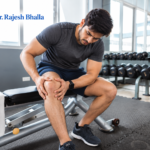
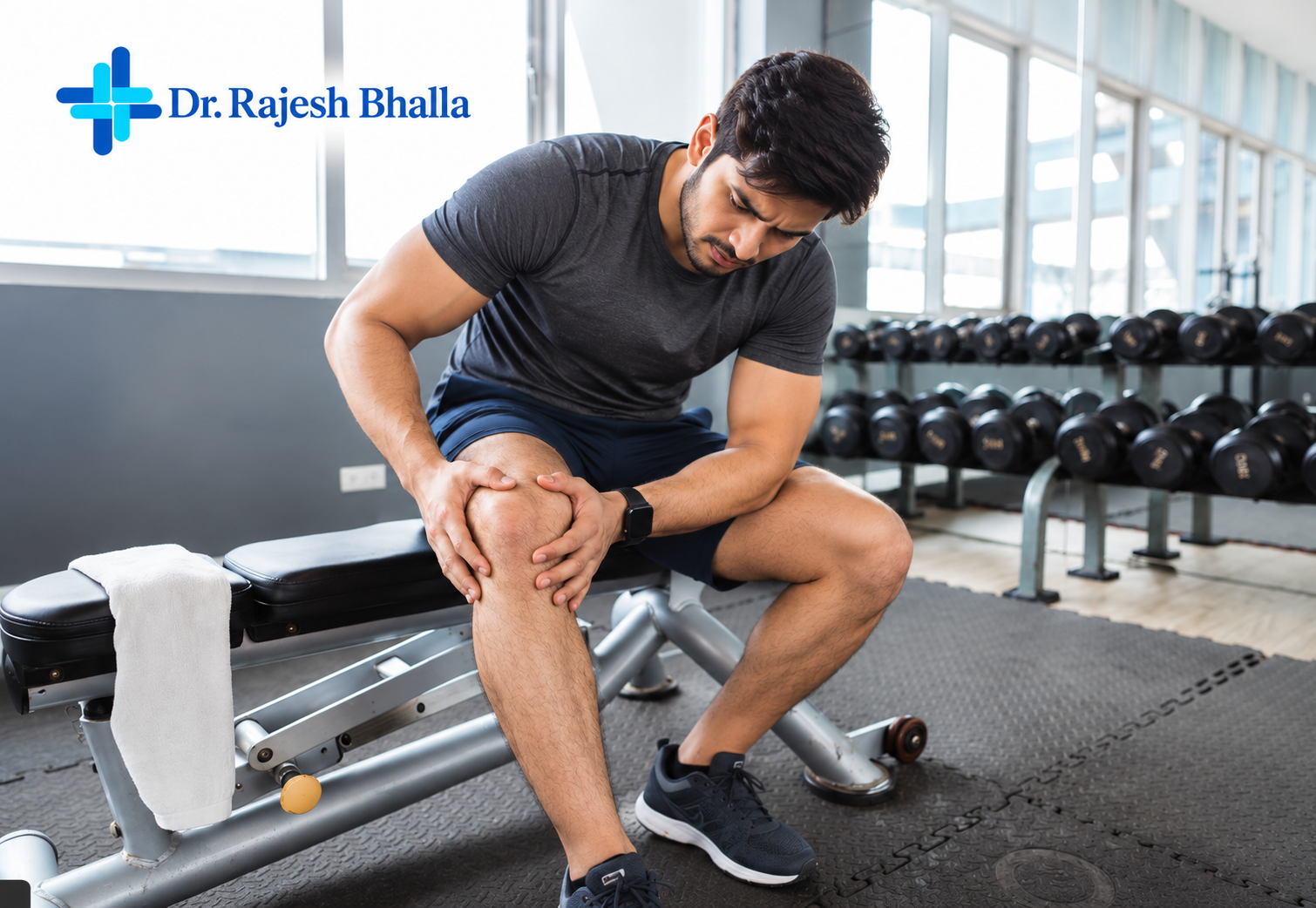
Knee pain after gym can be frustrating, especially when your workout seemed perfectly fine. You may notice discomfort while climbing stairs, bending your knee, or getting up from a chair. At first, it might feel like normal exercise soreness. But when the pain continues, it’s natural to wonder whether you’ve injured something.
This is a common concern among people who go to the gym, especially beginners and those who have recently increased their workout intensity.
The truth is that not every ache after exercise means you have injured your knee. However, not every pain should be ignored either.
Knee discomfort after workouts can happen for several reasons, ranging from temporary muscle soreness and overuse to problems involving tendons, ligaments, or other structures inside the joint.
Understanding the difference can help you make safer decisions about exercise and recovery.
Why Does Knee Pain Happen After Gym Workouts?
The knee supports your body during movements such as walking, running, squatting, jumping, and lifting weights. During exercise, several muscles, tendons, ligaments, and joint surfaces work together to keep your movements controlled.
When you suddenly increase the weight you lift, change your training routine, or exercise more frequently than usual, the tissues around your knee may experience more stress than they are used to.
For example, someone who has recently started doing heavy squats might notice discomfort around the front of the knee. Another person may develop pain after increasing treadmill running or performing repeated jumping exercises.
Sometimes the problem is related to training load, muscle weakness, limited movement control, or insufficient recovery.
In other cases, a specific movement may cause an injury.
The location of the pain, how it started, and whether you have swelling or difficulty moving the joint can provide useful clues.
Normal Muscle Soreness vs Knee Joint Injury
One of the biggest questions people ask is whether their discomfort is normal or a warning sign.
Delayed onset muscle soreness, often called DOMS, can develop after unfamiliar or particularly demanding exercise. It commonly causes stiffness or aching in the muscles around the thighs and legs.
Muscle soreness usually becomes noticeable several hours after exercise, often feels more pronounced the following day, and gradually improves.
A knee injury may feel different.
You might experience sharp pain during a particular movement, swelling around the joint, difficulty straightening your knee, or a feeling that your leg is unstable.
Pain that is clearly located inside the knee joint deserves attention, particularly when it affects walking or normal activities.
However, symptoms can overlap. Muscle soreness and joint problems cannot always be distinguished without an examination.
If your symptoms are severe, worsening, or preventing normal movement, avoid assuming they are simply part of getting stronger.
Common Causes of Knee Pain After Exercise
There isn’t one single explanation for knee pain after a workout. Several conditions can produce similar symptoms.
Patellofemoral Pain
Patellofemoral pain is discomfort around or behind the kneecap.
It may become noticeable during squats, stair climbing, running, or sitting with the knee bent for a long time.
Changes in training load, muscle strength, and movement patterns can contribute to this problem.
Patellar Tendon Irritation
The patellar tendon connects the kneecap to the shinbone.
Activities involving repeated jumping, running, or heavy loading can irritate this tendon.
People with patellar tendon problems often notice discomfort just below the kneecap, particularly during exercises that put stress on the tendon.
Muscle Strain
Muscles around the thigh help control knee movement.
Sudden overload, inadequate recovery, or unfamiliar exercises may cause muscle strains or soreness near the knee.
Meniscus Injury
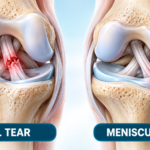
The menisci are cartilage structures that help distribute forces within the knee joint.
A twisting movement while the foot is planted can sometimes injure a meniscus.
Symptoms may include joint-line pain, swelling, catching, or difficulty moving the knee normally.
Ligament Injury
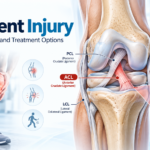
Ligaments help keep the knee stable.
Sudden changes in direction, awkward landings, or twisting injuries can damage these structures.
A popping sensation during an injury, significant swelling, or instability may suggest that further assessment is needed.
A clinician can determine which structure is involved based on your history, examination, and any necessary investigations.
Knee Pain After Squats, Lunges, and Leg Press
Squats, lunges, and leg presses are popular exercises for strengthening the lower body. They can be useful parts of a fitness programme, but they also place demands on the knee.
Knee Pain After Squats
Squatting requires coordinated movement through the hips, knees, and ankles.
If you increase the load too quickly or move through a range your body is not prepared to tolerate, discomfort may develop.
Pain during squats does not automatically mean your technique is wrong. The causes can include training volume, joint sensitivity, muscle capacity, or an underlying condition.
Knee Pain After Lunges
Lunges require strength and balance.
Some people notice pain when the front knee bends under load, particularly when they are new to the exercise or repeatedly train through discomfort.
Knee Pain After Leg Press
The leg press allows people to move relatively heavy weights.
However, choosing more weight than you can comfortably control or repeatedly working through a painful range may aggravate knee symptoms.
If an exercise causes sharp pain, stop that movement and avoid trying to push through it.
A qualified physiotherapist or exercise professional can help assess technique and modify the activity. Persistent or significant knee pain should be medically evaluated.
Warning Signs You Should Never Ignore
Mild muscle soreness may improve with sensible recovery, but some symptoms need prompt medical attention.
Seek urgent medical assessment if you cannot put weight on your leg, your knee is severely swollen or visibly deformed, or you cannot move it properly.
A knee that becomes locked, repeatedly gives way, or develops severe pain after a twisting injury also needs timely evaluation.
If the joint becomes hot, red, and painful—especially with fever or feeling unwell—seek urgent care because infection is one possible cause.
You should also arrange an assessment if pain keeps returning, interferes with daily activities, or fails to improve.
These symptoms do not necessarily mean surgery is required. They mean the underlying cause should be identified rather than guessed.
What Should You Do When Your Knee Hurts After Exercise?
Your first response depends on how the symptoms began and how severe they are.
If the pain is mild and there are no concerning warning signs, temporarily reduce activities that aggravate it.
Avoid heavy squats, running, jumping, or other movements that repeatedly reproduce the pain.
A cold pack wrapped in a towel may help with short-term discomfort or swelling. Avoid applying ice directly to the skin.
Gentle movement within a comfortable range can sometimes prevent unnecessary stiffness.
Complete bed rest is usually not needed for minor exercise-related discomfort, but you should avoid putting excessive stress on a painful joint.
Do not use painkillers simply to continue exercising through symptoms. Ask a healthcare professional or pharmacist whether a medication is appropriate for you.
If you suspect a significant injury, have difficulty walking, or notice worsening swelling, seek medical advice rather than trying home exercises.
When Should You Consult an Orthopaedic Doctor?
Not every episode of knee pain requires specialist treatment. However, recurring or persistent pain deserves attention.
Consider seeing an orthopaedic doctor when knee discomfort repeatedly returns after workouts, affects your walking, or prevents you from performing activities that were previously comfortable.
A consultation is also appropriate if you experience stiffness, swelling, reduced movement, or difficulty trusting your knee during exercise.
An experienced orthopedic doctor in Delhi can assess your symptoms and determine whether they are related to muscle overload, tendon irritation, ligament injury, cartilage problems, or another condition.
The purpose of an examination is not simply to identify where it hurts. It is to understand why the problem is occurring and what treatment or rehabilitation may help.
How Is Exercise-Related Knee Pain Diagnosed?
Diagnosis usually begins with a conversation about your symptoms.
Your doctor may ask which exercise caused the pain, whether you felt a sudden twist or pop, when swelling appeared, and whether you have experienced similar problems before.
A physical examination can help evaluate tenderness, swelling, knee movement, muscle function, and joint stability.
Imaging is not required for every episode of exercise-related knee pain.
Depending on the findings, an X-ray may be useful for certain bone or joint concerns. MRI may be considered when a significant ligament, meniscus, cartilage, or other soft-tissue injury is suspected.
The choice of investigation depends on the clinical situation.
A scan should support the diagnosis rather than replace a proper examination.
Treatment Options for Knee Pain After Gym
Treatment depends on the actual cause of the pain.
For many exercise-related problems, the initial approach focuses on modifying activities, improving strength, and gradually rebuilding tolerance to movement.
Activity Modification
Temporarily reducing painful movements can help irritated tissues recover.
This does not always mean stopping every form of exercise. Your clinician may suggest suitable alternatives based on your symptoms.
Physiotherapy and Rehabilitation
Physiotherapy can help address muscle weakness, movement control, flexibility, and exercise tolerance.
A rehabilitation programme may include strengthening the quadriceps, hamstrings, hips, and other muscles that support the knee.
Medication and Pain Management
Some patients may benefit from short-term medication when clinically appropriate.
Medication decisions should consider individual medical history, possible side effects, and other treatments.
Specialist Orthopaedic Treatment
Certain injuries may require additional interventions, particularly when there is significant instability, mechanical locking, or structural damage.
Surgery is not the first treatment for every painful knee.
An orthopedic surgeon in Delhi can explain the available options when a structural injury requires specialist assessment.
The most suitable plan depends on the diagnosis, severity of symptoms, activity goals, and individual circumstances.
How to Prevent Knee Pain During Gym Workouts
Prevention starts with realistic training expectations.
If you are beginning a new fitness programme, allow your body time to adapt before increasing weights or exercise volume.
Choose loads that you can control comfortably. Pay attention to your movement and avoid repeatedly exercising through sharp pain.
A suitable warm-up can help prepare your muscles and joints for activity.
Strengthening the hips, thighs, and calves can also support lower-body movement.
Recovery is equally important. Adequate sleep, balanced nutrition, and appropriate rest between challenging sessions help the body adapt to exercise.
If you have previously injured your knee, returning to demanding workouts should follow an individual rehabilitation plan.
The goal is not to avoid challenging exercise forever. It is to increase physical demands at a pace your body can manage.
Can You Return to the Gym After Knee Pain?
In many cases, people can return to their normal exercise activities after symptoms improve and the underlying problem has been addressed.
However, returning too quickly can lead to repeated pain or further irritation.
Your readiness depends on the cause of the problem.
For mild exercise-related discomfort, a gradual increase in activity may be appropriate once everyday movement is comfortable.
After a ligament or meniscus injury, returning to exercise may require a structured rehabilitation programme and assessment of strength, movement, and stability.
Do not use the absence of pain as the only sign that a serious injury has fully healed.
When returning to weight training, begin with manageable movements and increase the challenge gradually.
If symptoms return, modify the activity and seek professional guidance.
Consult Prof. Dr. R. Bhalla for Persistent Knee Pain in Delhi
Knee pain can interfere with your workouts, daily movement, and confidence in physical activity.
Understanding the cause is the first step towards choosing appropriate treatment.
Prof. Dr. R. Bhalla provides orthopaedic consultation for knee conditions, ligament injuries, sports-related problems, cartilage concerns, and other musculoskeletal conditions.
His approach involves evaluating the patient’s symptoms, clinical findings, and individual treatment needs before discussing suitable options.
Patients searching for an orthopedic doctor in Karol Bagh can consult Prof. Dr. R. Bhalla at JMC Hospital, Joshi Road, Karol Bagh, New Delhi.
Treatment may include rehabilitation, medication, activity guidance, or further intervention when clinically appropriate.
If your knee pain continues after gym workouts or prevents you from returning comfortably to physical activity, consider arranging an orthopaedic assessment.
Visit Dr. Rajesh Bhalla’s official website for consultation information.
Final Thoughts
Knee pain after exercise can be frustrating, especially when you are motivated to improve your fitness.
Sometimes the discomfort is related to unfamiliar activity or temporary muscle soreness. Other times, it may indicate tendon irritation, joint overload, or a more significant injury.
The important thing is to pay attention to how the pain begins and whether it affects normal movement.
Avoid pushing through severe or worsening symptoms. Give your body suitable recovery time, adjust your training when needed, and seek medical advice when warning signs appear.
With an accurate diagnosis and appropriate rehabilitation, many people can work towards returning to exercise safely.
Frequently Asked Questions About Knee Pain After Gym
1. Is knee pain after gym normal?
Mild soreness in the muscles around the knee can occur after unfamiliar exercise. However, sharp joint pain, swelling, instability, or difficulty walking should not be dismissed as normal workout soreness.
2. Why do my knees hurt after squats?
Knee pain after squats may be associated with a sudden increase in training load, patellofemoral pain, tendon irritation, or another knee condition. Persistent pain should be assessed rather than attributed to technique alone.
3. Should I stop going to the gym if my knee hurts?
You may need to pause or modify exercises that cause pain. Whether other activities are safe depends on the symptoms and suspected cause. Significant injuries require professional assessment before returning to training.
4. How long does knee pain after exercise last?
The duration varies. Mild muscle soreness may improve within a few days, while tendon problems or structural injuries can require longer treatment and rehabilitation. Persistent or worsening symptoms should be evaluated.
5. Can knee pain after gym be a ligament injury?
Yes, particularly if the pain started during a sudden twist, awkward landing, or change in direction. A popping sensation, swelling, and instability may raise concern for a ligament injury, but examination is needed for diagnosis.
6. Is walking good for knee pain after exercise?
Gentle walking may be suitable for some people with mild discomfort if it does not worsen symptoms. Do not force yourself to walk through severe pain or continue weight-bearing when the knee feels unstable.
7. When should I visit an orthopaedic doctor for knee pain?
Arrange an assessment if pain keeps returning, does not improve, or interferes with normal activities. Seek urgent care for severe swelling, inability to bear weight, a locked knee, deformity, or a hot, painful joint accompanied by fever.