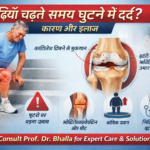

Early Diagnosis in Joint Disorders and stiffness are often brushed aside as normal signs of aging or the result of a busy lifestyle. However, ignoring these early warning signs can lead to severe joint damage, loss of mobility, and chronic pain. Early diagnosis plays a crucial role in managing joint disorders, helping patients prevent complications and maintain a healthy, active life.
As an orthopedic specialist, I have seen how timely detection and treatment can dramatically change outcomes for patients suffering from joint problems such as arthritis, ligament tears, or cartilage degeneration. This article highlights why early diagnosis matters, what signs to watch for, and how proper orthopedic consultation can make all the difference.
Understanding Joint Disorders
Our joints form the connection between bones, supported by cartilage, ligaments, tendons, and muscles that allow smooth and pain-free movement. When any of these structures are damaged due to injury, inflammation, wear-and-tear, or autoimmune conditions, it results in joint disorders.
Some of the most common joint disorders include:
- Osteoarthritis (OA): A degenerative condition where cartilage wears down over time, leading to pain and stiffness.
- Rheumatoid Arthritis (RA): An autoimmune disease causing chronic inflammation that can deform joints.
- Gout: A metabolic condition caused by uric acid crystal deposits in joints.
- Ligament Injuries: Such as ACL tears, are common in athletes and active individuals.
- Bursitis and Tendinitis: Inflammation of cushioning sacs (bursa) or tendons, often due to overuse.
While each disorder varies in cause and severity, one common truth remains — early diagnosis is key to preventing permanent joint damage.
Why Early Diagnosis Matters
1. Prevents Irreversible Damage
Joint disorders often begin silently. For example, in osteoarthritis, cartilage degeneration starts long before severe pain appears. By the time the condition becomes unbearable, the joint may already be significantly damaged.
Early diagnosis allows orthopedic specialists to intervene before the damage becomes irreversible, using medications, physiotherapy, or lifestyle adjustments to preserve joint function.
2. Improves Treatment Outcomes
Detecting the problem early opens up a wider range of non-surgical treatment options such as:
- Anti-inflammatory medications
- Platelet-rich plasma (PRP) therapy
- Physical rehabilitation
- Lifestyle and weight management program
These treatments are most effective in the early stages of joint disease, when inflammation and structural changes are still minimal.
3. Reduces Pain and Discomfort
Persistent joint pain impacts daily life — from climbing stairs to holding objects. Early medical attention can help identify the exact cause and start treatment promptly, minimizing chronic pain and improving quality of life.
4. Helps Avoid Surgery
In advanced stages of joint disorders, surgery like joint replacement may become the only viable solution. However, early detection and proper care can often delay or completely avoid surgical intervention, allowing patients to maintain their natural joint function longer.
5. Enhances Long-Term Mobility
Healthy joints are essential for an active life. Early diagnosis not only slows disease progression but also preserves mobility, balance, and independence, especially among older adults.
Warning Signs You Shouldn’t Ignore
Early joint disorders often go unnoticed because symptoms are mild or intermittent. However, paying attention to subtle signs can make a big difference. Some early indicators include:
- Persistent joint pain or tenderness
- Stiffness after waking up or resting
- Mild swelling or warmth around the joint
- Reduced flexibility or range of motion
- Clicking or grinding sensations when moving
- Weakness or instability in the joint
- Fatigue or unexplained inflammation in multiple joints
If you experience any of these symptoms, consult an orthopedic specialist immediately. Timely evaluation using physical examination, X-rays, MRI, or blood tests can help detect the condition before it worsens.
How Early Diagnosis is Done
A comprehensive diagnostic approach is essential to accurately identify the cause of joint pain. At my clinic, we follow a personalized and evidence-based process, which includes:
- Detailed Medical History: Understanding your symptoms, past injuries, and lifestyle.
- Physical Examination: Checking joint movement, tenderness, and swelling.
- Laboratory Tests: Blood tests to identify autoimmune markers (RA, gout, etc.).
With these assessments, we can pinpoint the exact cause and develop a treatment plan tailored to your needs.
Treatment Options After Early Detection
The good news is that most joint disorders can be effectively managed if caught early. Treatment typically includes a combination of the following:
1. Medications
Anti-inflammatory drugs, pain relievers, and disease-modifying agents (for autoimmune arthritis) help control symptoms and slow disease progression.
2. Physical Therapy
Customized exercises improve flexibility, strengthen surrounding muscles, and restore range of motion.
3. Lifestyle Modifications
Maintaining a healthy weight, eating an anti-inflammatory diet, and avoiding repetitive stress on joints are vital for long-term joint health.
4. Regenerative Treatments
Modern therapies like PRP (Platelet-Rich Plasma) or stem cell injections can help repair minor cartilage damage and reduce inflammation naturally.
5. Surgical Intervention (If Necessary)
In cases where conservative methods fail or joint damage is advanced, procedures like arthroscopy or joint replacement offer reliable solutions.
Preventive Tips for Healthy Joints
- Stay physically active but avoid overexertion.
- Maintain a balanced diet rich in calcium and omega-3 fatty acids.
- Use proper posture and ergonomics at work.
- Warm up before exercise and cool down afterward.
- Get regular orthopedic check-ups, especially if you have a family history of arthritis.
The Role of an Orthopedic Specialist
Choosing the right orthopedic doctor is as important as recognizing symptoms early. A skilled specialist can accurately diagnose the root cause, recommend the right treatment plan, and help you regain comfort and confidence in your movement.
At Dr. Rajesh Bhalla’s Orthopedic Clinic, we focus on comprehensive joint care — from early diagnosis to advanced treatment options. With years of expertise in managing joint and bone disorders, I aim to provide personalized solutions that restore mobility and enhance quality of life.
Conclusion: Act Early, Live Pain-Free
Joint disorders may seem harmless in the beginning, but their impact grows silently over time. The earlier you seek professional help, the greater your chances of recovery and joint preservation.
If you or someone you know is experiencing persistent joint discomfort, don’t wait until the pain becomes unbearable. Book a consultation today and take the first step towards lasting joint health.