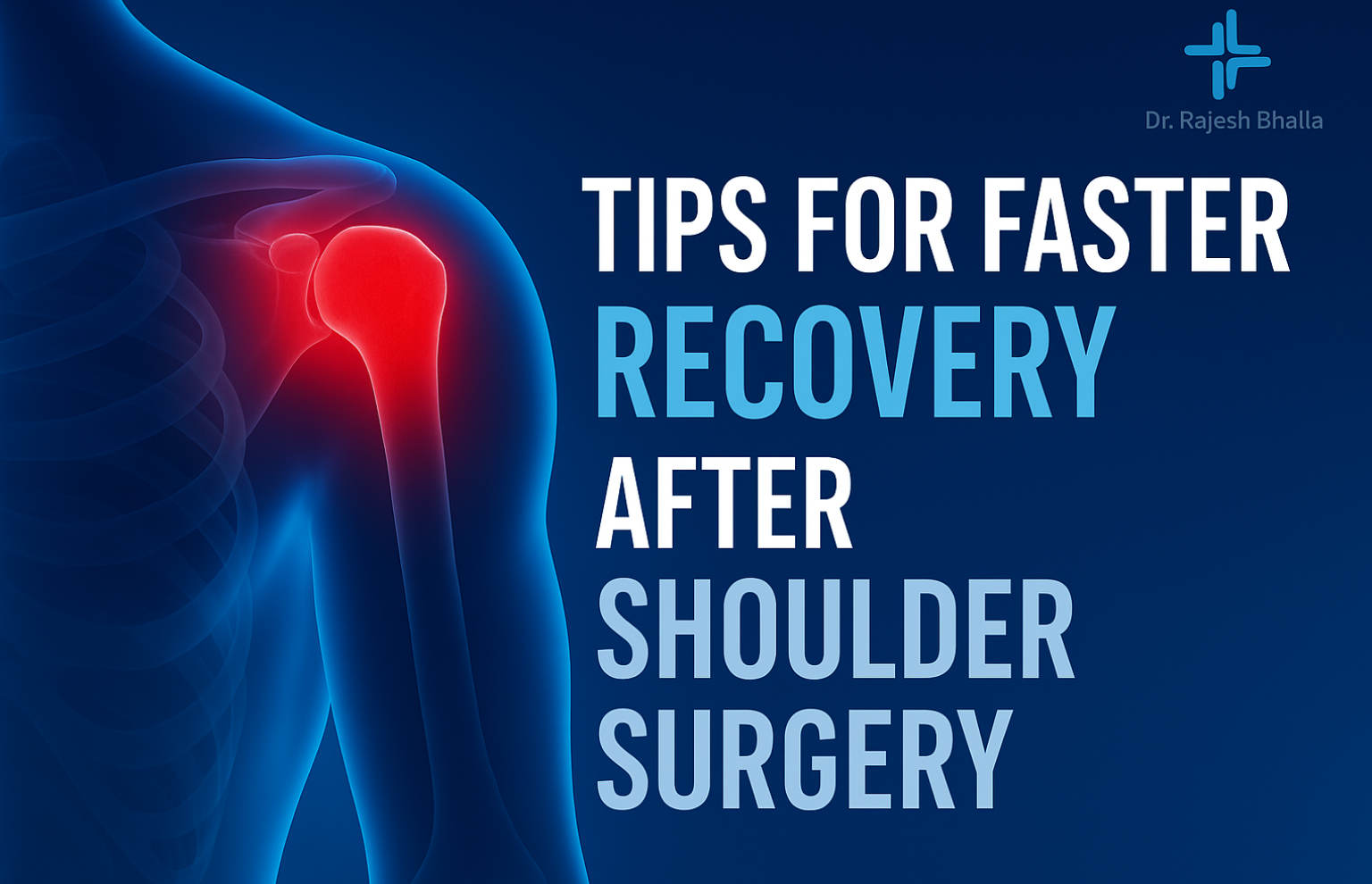
Shoulder surgery, whether for a rotator cuff tear, dislocation, or joint replacement, can be life-changing. While surgery aims to restore mobility, reduce pain, and improve function, the recovery process is just as important as the operation itself. Many patients are eager to know how they can recover faster and safely return to their normal activities. With the right approach, patience, and guidance, you can optimize your healing journey.
In this blog, we’ll share effective tips for faster recovery after shoulder surgery, including rehabilitation strategies, lifestyle adjustments, and medical guidance.
1. Follow Your Surgeon’s Post-Operative Instructions Carefully
The most crucial step in recovery is strictly following the advice of your orthopedic surgeon. Your doctor will provide specific guidelines regarding wound care, medication, physical activity, and restrictions. Ignoring these instructions can slow recovery and increase the risk of complications like infections or re-injury.
- Take prescribed medications on time.
- Attend all follow-up appointments.
- Avoid lifting, pushing, or pulling activities until you have been cleared by your doctor.
Remember, every patient heals differently, so trust the plan designed for you.
2. Manage Pain Effectively
Pain management plays a crucial role in the recovery process. Persistent pain may discourage you from doing necessary exercises, which could delay healing.
- Use prescribed painkillers or anti-inflammatory medications as directed.
- Apply ice packs to reduce swelling and discomfort.
- Discuss with your doctor if pain persists or worsens.
Proper pain control allows you to stay active in your rehabilitation and prevents stiffness in the shoulder.
3. Start Physical Therapy on Time
Physical therapy is the cornerstone of shoulder surgery recovery. Rehabilitation exercises help restore strength, mobility, and flexibility in the joint. Skipping or delaying therapy may lead to stiffness and poor outcomes.
- Begin gentle exercises as recommended by your surgeon.
- Focus on range-of-motion exercises before progressing to strengthening routines.
- Stay consistent — small daily efforts lead to long-term improvement.
Working with a professional physiotherapist ensures you do exercises correctly and safely.
4. Protect Your Shoulder in the Early Stages
During the first few weeks after surgery, it’s important to protect your shoulder to avoid complications.
- Wear the sling provided by your surgeon to keep the joint stable.
- Sleep in an upright or semi-reclined position to prevent strain.
- Avoid sudden or jerky movements with the operated arm.
This protection phase allows the tissues to heal properly before you gradually increase mobility.
5. Maintain a Healthy Diet
Nutrition has a direct impact on recovery. Eating the right foods can speed up tissue repair and strengthen your immune system.
- Include protein-rich foods like eggs, fish, chicken, and legumes for muscle healing.
- Add fruits and vegetables for vitamins, minerals, and antioxidants.
- Drink enough water to stay hydrated and support overall healing.
- Avoid excessive junk food, sugar, and alcohol, as they may slow recovery.
A healthy diet fuels your body to rebuild stronger muscles and tissues after surgery.
6. Prioritize Rest and Sleep
Rest is as important as exercise when it comes to healing. During sleep, your body repairs tissues, reduces inflammation, and restores energy.
- Aim for 7–8 hours of quality sleep daily.
- Use pillows to support your operated arm and reduce discomfort.
- Avoid lying flat on your back in the early recovery stages.
Good sleep not only accelerates recovery but also improves your overall mood and energy levels.
7. Stay Positive and Patient
Recovering from shoulder surgery takes time. Some patients may feel frustrated if progress is slower than expected. Maintaining a positive attitude and patience is key.
- Celebrate small milestones like reduced pain or improved arm movement.
- Stay motivated by keeping your long-term goals in mind.
- Seek support from family, friends, or a rehabilitation group.
A positive outlook helps reduce stress, which in turn promotes better healing.
8. Avoid Smoking and Alcohol
Smoking reduces blood flow and slows down tissue healing, while alcohol may interfere with medications and increase the risk of falls or accidents. Avoiding these habits ensures faster and safer recovery after surgery.
9. Gradually Return to Daily Activities
As you progress in recovery, you’ll want to resume your normal activities. However, returning too quickly can risk damaging the healing tissues.
- Follow your surgeon’s guidance about when you can drive, work, or resume sports.
- Start with light activities and increase intensity gradually.
- Avoid lifting heavy objects or strenuous movements until cleared.
Safe progression ensures you regain function without setbacks.
10. Keep Track of Your Progress
Monitoring your recovery helps you stay motivated and ensures you are on the right track.
- Record improvements in mobility and pain levels.
- Share progress updates with your doctor and therapist.
- Identify any setbacks early and address them with medical guidance.
Regular tracking gives you confidence and helps you appreciate the progress you’re making.
Conclusion
Recovery after shoulder surgery is a journey that requires discipline, patience, and proper medical support. By following your surgeon’s advice, maintaining a healthy lifestyle, and committing to physiotherapy, you can speed up healing and regain full use of your shoulder.
At Dr. Rajesh Bhalla’s Clinic, we specialize in advanced orthopedic care and provide personalized treatment plans to ensure smooth recovery after surgery. With years of experience in joint replacement and sports injury management, Dr. Rajesh Bhalla is committed to helping patients return to pain-free, active lives.
Disclaimer
This blog is for educational purposes only and should not be considered as medical advice. Recovery after shoulder surgery may vary from person to person. Always consult your orthopedic surgeon or healthcare provider for personalized guidance regarding your condition, treatment, and rehabilitation plan. Remember to stay closely connected to your surgeon with regular follow-ups for the best recovery outcomes.