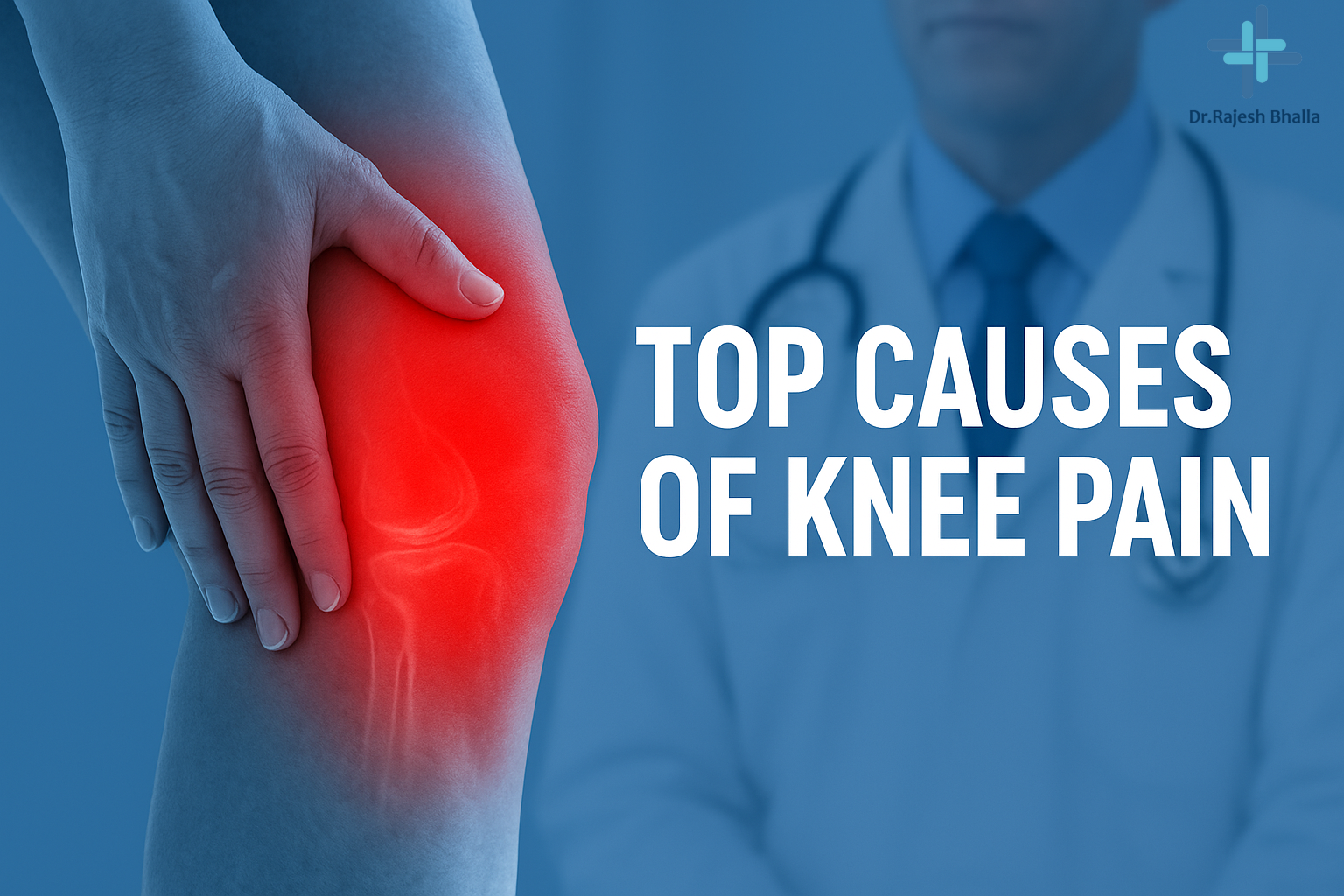
Knee pain is among the most frequent orthopedic concerns worldwide. It affects people across all age groups, from young athletes facing sports-related injuries to elderly individuals dealing with degenerative joint conditions. The knee is a complex joint that bears the body’s weight and is crucial for walking, climbing, running, sitting, and even standing. Because of its constant use, any problem in the knee can significantly impact a person’s quality of life
.If left untreated, knee pain may worsen over time, leading to stiffness, reduced mobility, and in severe cases, permanent disability. Understanding the common causes of knee pain and knowing how to manage it effectively can help patients find relief and return to an active lifestyle. In this blog, we will discuss the top causes of knee pain and explore different management strategies, including medical treatments, lifestyle changes, and surgical options like knee replacement surgery.
Top Causes of Knee Pain
Osteoarthritis
Osteoarthritis is the leading cause of knee pain, especially in older adults. It occurs when the protective cartilage that cushions the ends of bones gradually wears down. This leads to friction between bones, causing pain, stiffness, and swelling. Patients often complain of increased discomfort in the morning or after prolonged activity.
Risk Factors:
- Aging
- Family history of arthritis
- Obesity
- Previous knee injuries
Management:
- Low-impact exercises like swimming and cycling
- Weight management to reduce stress on joints
- Pain-relief medications and anti-inflammatory drugs
- Physiotherapy for muscle strengthening
- In advanced cases, total knee replacement surgery may be recommended.
Sports Injuries
Athletes and physically active individuals are prone to knee injuries such as ligament tears (ACL, MCL), meniscus tears, sprains, and cartilage damage. These injuries usually occur due to sudden twisting, high-impact activity, or direct trauma to the knee.
Symptoms:
- Sudden sharp pain
- Swelling within hours of injury
- Instability or “giving way” of the knee
- Difficulty in bending or straightening the leg
Management:
- Initial RICE therapy (Rest, Ice, Compression, Elevation)
- Use of knee braces for support
- Physiotherapy to restore strength and flexibility
- Arthroscopic surgery in severe cases
Rheumatoid Arthritis
Unlike osteoarthritis, which results from wear and tear, rheumatoid arthritis is an autoimmune disease. The body’s immune system attacks its own joint tissues, leading to inflammation and pain. The condition can affect multiple joints and cause long-term damage if not treated early.
Symptoms:
- Persistent joint pain and swelling
- Stiffness, especially in the morning
- Fatigue and weakness
Management:
- Disease-modifying anti-rheumatic drugs (DMARDs)
- Corticosteroid injections for inflammation
- Regular monitoring by a specialist
- Physiotherapy to maintain mobility
Patellar Tendinitis (Jumper’s Knee)
Patellar tendinitis is common among athletes involved in jumping or running sports. It happens when the tendon connecting the kneecap to the shinbone becomes inflamed due to repetitive stress.
Symptoms:
- Pain just below the kneecap
- Tenderness when pressing the area
- Pain during physical activities like squatting, climbing, or running
Management:
- Adequate rest to prevent further strain
- Stretching and strengthening exercises
- Use of physiotherapy techniques such as ultrasound therapy
- Medications for pain control
- In some cases, surgical treatment may be required..
5. Fractures and Trauma
High-impact accidents, falls, or sports injuries can cause fractures in the knee bones or dislocations. These injuries often result in severe pain, swelling, and inability to move the leg.
Management:
- Immediate medical attention and immobilization
- X-rays oan r MRI to assess damage
- Surgical fixation for fractures
- Post-surgery physiotherapy for recovery
Obesity and Excess Weight
Carrying excess body weight puts continuous pressure on the knee joints. This not only increases the risk of developing osteoarthritis but also worsens existing knee pain. Even a small reduction in weight can significantly lower stress on the knees and improve mobility.
Management:
- Adopting a healthy and balanced die
- Engaging in low-impact exercises
- Lifestyle modifications for long-term weight control
- Consult a joint specialist if knee pain persists
Other Causes of Knee Pain
Apart from the above conditions, other possible causes include:
- Bursitis: Inflammation of small fluid-filled sacs in the knee
- Gout: A type of arthritis caused by uric acid buildup
- Infections: Septic arthritis requiring immediate treatment
- Referred Pain: Pain from the hip or spine radiating to the knee
How to Manage Knee Pain Effectively
While the exact treatment depends on the underlying cause, some general management strategies can help patients reduce discomfort and improve knee function:
Maintain a Healthy Weight
Excess weight adds unnecessary pressure on the knees. Losing just 5–10% of body weight can reduce knee pain dramatically.
Exercise Regularly
Low-impact activities such as swimming, walking, or cycling can strengthen muscles without putting strain on the knee. Avoid high-impact sports if you already suffer from knee pain.
Physiotherapy
Guided physiotherapy sessions improve flexibility, mobility, and muscle strength around the knee joint.
Use Supportive Devices
Braces, orthotics, and walking aids can help reduce stress on the joint.
Medications & Injections
Pain-relieving medicines, anti-inflammatories, and corticosteroid injections may be prescribed by a doctor for temporary relief.
Advanced Treatments
In cases where conservative treatments fail, surgical options like partial or total knee replacement can provide long-term relief and restore function.
Conclusion
Knee pain is not just a minor inconvenience; it can severely impact daily life, limit mobility, and reduce independence. Understanding the cause of your knee pain and seeking timely treatment is the key to long-term recovery. If you are experiencing persistent or severe knee pain, it’s important to consult an experienced orthopedic specialist.
Dr. Rajesh Bhalla, one of the most trusted Knee Replacement Doctors in Delhi, brings over three decades of expertise in treating knee, hip, shoulder, and other joint conditions. With advanced techniques and personalized care, Dr. Bhalla has helped thousands of patients overcome pain, restore movement, and return to an active lifestyle.