As we cross the age of 40, our bodies begin to undergo subtle but significant changes. One of the most noticeable areas affected is joint health. Stiffness, mild pain, and reduced flexibility often start to creep in, even among people who have led active lifestyles. While aging is a natural process, joint problems are not inevitable. With the right care, it is possible to maintain strong, flexible, and pain-free joints well into your 50s, 60s, and beyond.
In this blog, we’ll discuss practical tips for maintaining healthy joints after 40, the importance of lifestyle changes, and how timely medical guidance can prevent chronic joint conditions like arthritis and osteoporosis.
Why Joint Health Declines After 40
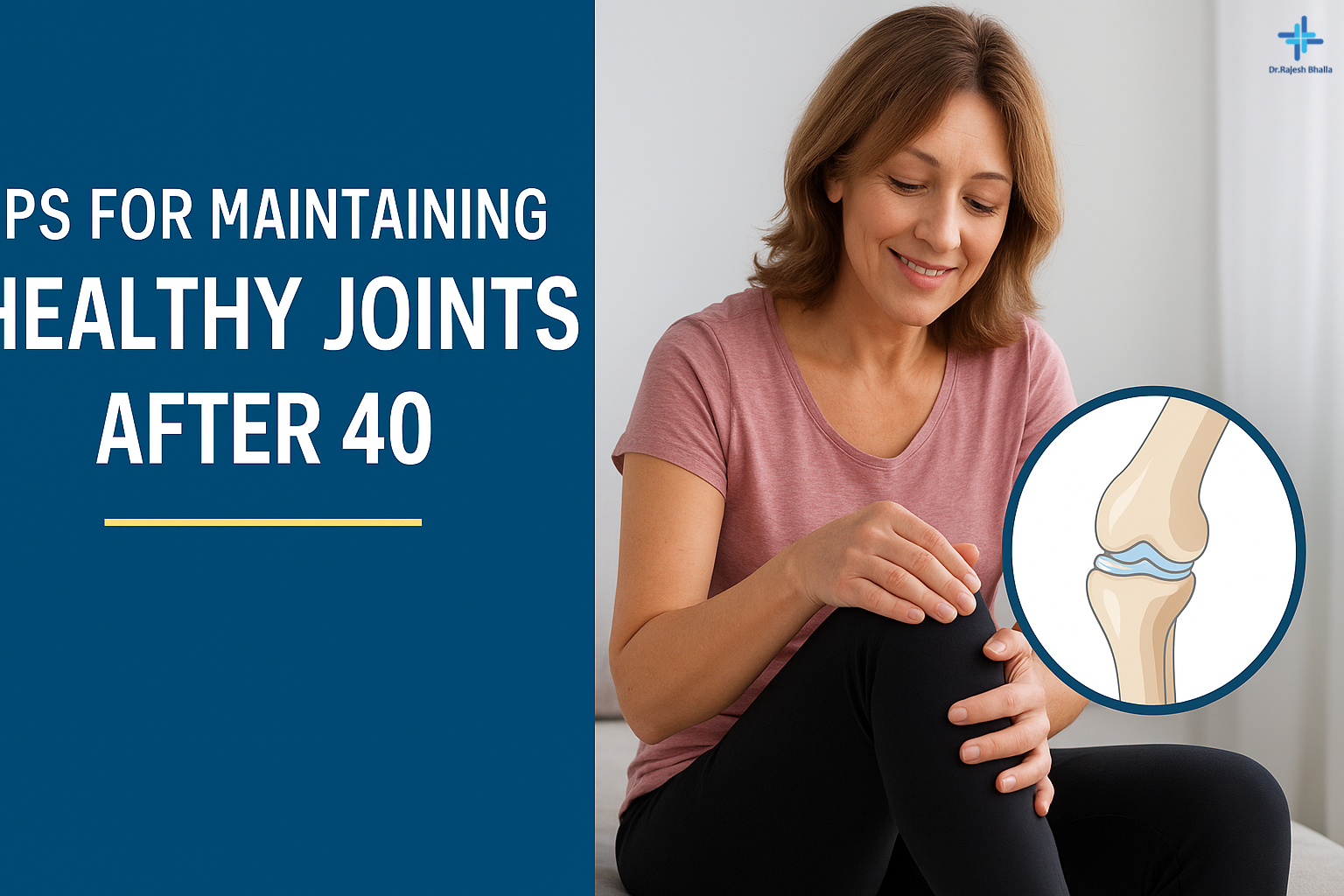
The aging process leads to natural wear and tear of cartilage, the soft tissue that cushions the joints. This makes bones rub against each other more directly, leading to stiffness and pain. Additionally:
- Bone density decreases after 40, especially in women after menopause.
- Muscle mass reduces, putting extra stress on joints.
- Collagen production slows, weakening connective tissues.
- Sedentary lifestyle habits and weight gain further accelerate joint degeneration.
Fortunately, adopting a proactive approach can delay or even prevent many of these changes.
Stay Physically Active
Movement is medicine for joints. Regular exercise strengthens the muscles surrounding the joints, improves flexibility, and promotes blood circulation that keeps cartilage healthy.
Recommended activities:
- Low-impact exercises: walking, swimming, cycling
- Yoga and stretching for flexibility
- Strength training to support bone density and joint stability
Tip: Avoid over-exertion. Listen to your body and gradually increase activity intensity.
Maintain a Healthy Weight
Excess body weight puts additional strain on weight-bearing joints like the knees, hips, and spine. Every extra kilogram can add up to four times more pressure on your knees.
Weight management tips:
- Opt for portion control and balanced meals
- Reduce processed foods and sugary drinks.
- Include lean proteins and fiber-rich foods to feel full longer.
By maintaining a healthy weight, you reduce the risk of osteoarthritis and improve joint function.
Prioritize Joint-Friendly Nutrition
The food you eat plays a critical role in keeping your joints healthy. Certain nutrients support cartilage regeneration, reduce inflammation, and strengthen bones.
Nutrients to focus on:
- Calcium and Vitamin D: Build strong bones and prevent osteoporosis
- Omega-3 fatty acids: Found in fish, walnuts, flaxseeds – reduce inflammation
- Vitamin C: Supports collagen production for cartilage health
- Protein: Essential for muscle strength that stabilizes joints
Joint-friendly foods: dairy, leafy greens, salmon, nuts, seeds, and colorful fruits and vegetables.
Protect Your Joints During Daily Activities
As we age, everyday tasks can put undue stress on joints if not done mindfully. Simple modifications can make a big difference.
- Use supportive footwear to reduce strain on knees and hips.
- Avoid carrying very heavy loads; lift with your legs, not your back.
- Maintain good posture while sitting or standing.
- Use ergonomic furniture if working long hours at a desk.
Small adjustments in daily life can protect joints from unnecessary wear and tear.
Stay Hydrated
Water is essential for lubricating joints. Cartilage is made up of about 80% water, and dehydration can lead to stiffness and discomfort.
Tip: Aim for at least 2–3 liters of water daily. Herbal teas, soups, and water-rich fruits like watermelon also contribute to hydration.
Include Stretching and Flexibility Exercises
Flexibility exercises improve the range of motion and reduce stiffness. Stretching daily keeps joints supple and reduces the risk of injuries.
Examples:
- Gentle yoga poses like Cat-Cow, Child’s Pose, and Warrior stretches.
- Pilates for core strength and balance
- Dynamic stretches before exercise and static stretches after workouts
Manage Stress Levels
Chronic stress increases the release of inflammatory chemicals in the body, which can worsen joint pain. Stress also causes muscle tension, putting more pressure on joints.
Stress-relieving practices:
- Meditation and mindfulness
- Deep breathing exercises
- Regular outdoor activities and hobbies
- Adequate sleep (7–8 hours daily)
Avoid Smoking and Excessive Alcohol
Smoking reduces blood supply to bones and joints, slowing healing and increasing the risk of osteoporosis. Excessive alcohol consumption interferes with calcium absorption and weakens bone structure. Cutting down on these habits greatly benefits joint longevity.
Regular Check-ups and Early Diagnosis
After 40, it’s important to monitor bone and joint health regularly. Early detection of problems such as osteoarthritis, rheumatoid arthritis, or osteoporosis can prevent complications.
Consider consulting an orthopaedic specialist if you experience:
- Persistent joint pain or swelling
- Stiffness that lasts more than 30 minutes in the morning
- Reduced mobility or frequent injuries
Regular check-ups, bone density scans, and lab tests help in timely intervention.
Consider Supplements if Needed
Sometimes,s diet alone may not provide all the required nutrients. Supplements such as calcium, vitamin D, omega-3 fatty acids, or collagen may be recommended by your doctor based on your needs.
Important: Always consult a specialist before starting supplements. Self-medication can lead to imbalances or side effects.
Conclusion
Healthy joints are the foundation of an active and independent lifestyle after 40. By staying active, eating a nutrient-rich diet, managing weight, and adopting preventive habits, you can protect your joints from early degeneration.
As an experienced orthopaedic surgeon, I, Dr. Rajesh Bhalla, specialize in the prevention, diagnosis, and treatment of bone and joint conditions. At Dr. Rajesh Bha l, la we provide advanced care, personalized guidance, and treatment solutions for arthritis, osteoporosis, sports injuries, and joint pain.
Disclaimer
The information in this blog is for educational purposes only and should not replace professional medical advice. Always consult a qualified healthcare provider or orthopaedic specialist, such as Dr. Rajesh Bhalla, before making any decisions regarding diet, exercise, or treatment for joint-related issues.