The Link Between Gut Health and Strong Bones
Understanding Gut Health and Its Functions
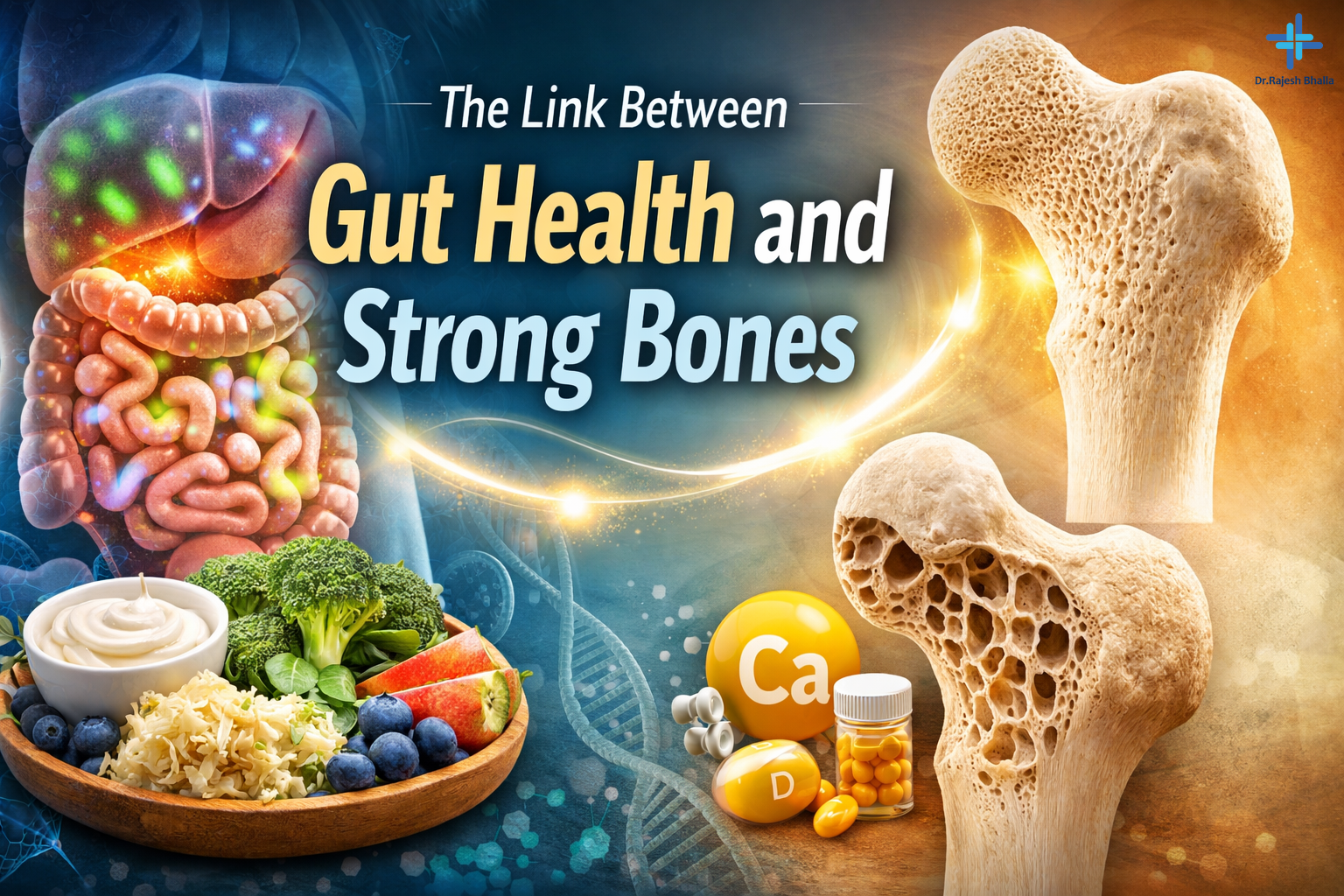
Gut health refers to the balanced functioning of the gastrointestinal tract, particularly the diversity and activity of beneficial gut bacteria, collectively known as the gut microbiome. These microorganisms assist in digesting food, synthesizing essential vitamins, regulating inflammation, and maintaining the integrity of the intestinal lining. A healthy gut ensures efficient nutrient absorption and prevents harmful substances from entering the bloodstream. When gut health deteriorates due to poor diet, stress, illness, or medications, the entire body—including the skeletal system can be affected.
How Nutrient Absorption Impacts Bone Strength
Strong bones depend on consistent absorption of key nutrients such as calcium, phosphorus, magnesium, vitamin D, and vitamin K. The gut is the primary site where these nutrients are absorbed into the bloodstream. If the intestinal lining is inflamed or damaged, nutrient absorption becomes inefficient. Even when a person consumes adequate nutrients, poor gut health can lead to deficiencies that weaken bones over time. This is one reason why individuals with digestive disorders often experience low bone density.
The Role of Gut Bacteria in Calcium Absorption
Gut bacteria play an essential role in calcium metabolism. Certain beneficial bacteria help break down dietary components, making calcium more bioavailable for absorption. They also produce short-chain fatty acids that enhance mineral uptake in the intestines. A balanced gut microbiome improves calcium retention in bones, while an imbalanced microbiome can lead to calcium loss. Over time, reduced calcium absorption contributes to fragile bones and an increased risk of fractures.
Vitamin D Activation and the Gut Connection
Vitamin D is critical for calcium absorption and bone mineralization. While vitamin D is produced in the skin through sunlight exposure, it must be activated in the body to function effectively. The gut contributes to this process by aiding fat absorption, which is necessary because vitamin D is fat-soluble. Poor gut health can impair fat digestion, leading to vitamin D deficiency even in individuals who receive adequate sunlight. Low vitamin D levels weaken bones and slow down bone repair.
Vitamin K, Gut Bacteria, and Bone Density
Vitamin K plays a key role in bone formation by activating proteins that bind calcium to the bone matrix. A significant portion of vitamin K is produced by gut bacteria. When gut flora is disrupted, vitamin K production decreases, reducing bone mineralization. This silent deficiency may go unnoticed until bone density begins to decline, highlighting the importance of maintaining a healthy gut ecosystem for long-term skeletal health.
Inflammation: The Hidden Enemy of Bone Health
Chronic gut inflammation has a direct negative impact on bones. An unhealthy gut can trigger systemic inflammation, which accelerates bone breakdown and suppresses bone formation. Inflammatory markers stimulate cells that dissolve bone tissue, weakening skeletal structure over time. Conditions such as inflammatory bowel disease and food intolerances often show a strong association with osteoporosis due to prolonged inflammation affecting both gut and bone health.
The Gut–Immune–Bone Axis
The gut is closely linked to the immune system, and immune cells play a major role in bone remodeling. A healthy immune response supports balanced bone turnover, while immune dysregulation can lead to excessive bone loss. Gut bacteria help regulate immune activity by maintaining tolerance and preventing unnecessary inflammation. When gut health deteriorates, immune imbalance occurs, disrupting bone remodeling and increasing fracture risk.
Impact of Antibiotics on Gut and Bone Health
Frequent or prolonged antibiotic use can severely disrupt gut microbiota by killing beneficial bacteria along with harmful ones. This imbalance reduces nutrient absorption and increases inflammation, both of which negatively affect bone strength. Studies have shown that long-term antibiotic exposure may be linked to lower bone density, especially in older adults. Restoring gut health after antibiotic use is essential to protect bone integrity.
Digestive Disorders and Bone Weakness
Individuals with digestive conditions such as celiac disease, irritable bowel syndrome, and inflammatory bowel disease are at higher risk of bone loss. These conditions damage the intestinal lining, reducing absorption of calcium and vitamin D. Many patients with undiagnosed gut disorders develop osteoporosis earlier than expected. Proper diagnosis and gut-focused treatment are critical for preventing long-term skeletal complications.
Protein Digestion and Bone Repair
Protein is essential for bone structure and repair, especially after fractures or surgery. A healthy gut ensures efficient protein digestion and amino acid absorption, which are required for collagen formation in bones. Poor digestion can impair bone healing and delay recovery. Maintaining gut health supports faster bone repair and better outcomes after injuries.
The Role of Probiotics in Bone Health
Probiotics are beneficial bacteria that help restore gut balance. Research suggests that probiotics may improve calcium absorption, reduce inflammation, and support bone density. By strengthening the gut barrier and promoting healthy digestion, probiotics indirectly enhance skeletal health. Incorporating probiotic-rich foods or supplements can be especially beneficial for individuals at risk of osteoporosis.
Diet Choices That Support Gut and Bone Health
A diet rich in fiber, fermented foods, fruits, vegetables, and healthy fats supports gut bacteria diversity. Fiber acts as fuel for beneficial microbes, while fermented foods introduce live bacteria that strengthen the microbiome. Such dietary choices improve nutrient absorption and reduce inflammation, creating a favorable environment for bone maintenance and growth.
Aging, Gut Health, and Bone Loss
As people age, gut microbiota diversity naturally declines, leading to reduced nutrient absorption and increased inflammation. This age-related gut imbalance contributes significantly to bone loss in older adults. Supporting gut health through diet, hydration, and lifestyle changes becomes increasingly important with age to preserve bone density and reduce fracture risk.
Stress, Gut Health, and Bone Strength
Chronic stress affects gut function by altering digestion and increasing intestinal permeability. Stress-related gut issues can lead to nutrient deficiencies and inflammation, both harmful to bones. Managing stress through proper sleep, physical activity, and relaxation techniques indirectly supports both gut and bone health.
Gut Health and Bone Healing After Surgery or Fracture
Bone healing requires optimal nutrient delivery and controlled inflammation. A healthy gut ensures that healing bones receive sufficient calcium, protein, and vitamins. Patients with poor gut health often experience delayed bone healing. Improving gut function before and after surgery can enhance recovery and strengthen long-term outcomes.
Preventing Osteoporosis Through Gut Care
Preventing osteoporosis requires a holistic approach that includes gut health management. Supporting digestion, maintaining microbiome balance, and addressing gut inflammation can significantly reduce the risk of bone density loss. Early intervention focused on gut health may prevent future fractures and chronic bone disease.
Conclusion
The connection between gut health and strong bones is both profound and scientifically supported. A healthy gut ensures efficient nutrient absorption, balanced immune function, and reduced inflammation, all of which are essential for maintaining bone density and strength. Poor gut health, on the other hand, can silently weaken bones despite adequate diet or supplementation. By prioritizing gut health through proper nutrition, lifestyle choices, and timely medical care, individuals can protect their bones, improve healing, and reduce the risk of osteoporosis and fractures. Strong bones truly begin in the gut.