How Office Habits Damage Your Spine & Joints
Modern office lifestyles often require long hours of sitting, working on computers, and minimal physical activity. While it may seem harmless, prolonged sitting and poor posture can gradually strain your spine, neck, hips, and knee joints.
Our services
How Prolonged Sitting Affects Your Spine & Joints

Spinal Disc Pressure & Posture Strain
Sitting for long hours increases pressure on the lower back and spinal discs. Poor posture such as slouching or leaning forward places additional strain on the neck and shoulders, leading to chronic back pain, cervical stiffness, and muscle fatigue over time.

Hip Tightness & Knee Stress
Extended sitting shortens hip flexor muscles and reduces blood circulation to the lower body. This can result in hip stiffness, knee discomfort, reduced flexibility, and increased stress on weight-bearing joints, especially when standing after long sitting periods.

Muscle Weakness & Joint Degeneration
Lack of regular movement weakens core and supporting muscles that protect the spine and joints. When muscles become weak, joints absorb more load, increasing the risk of long-term degeneration, inflammation, and persistent discomfort.

Neck & Shoulder Tension
Continuous screen time often leads to forward head posture and rounded shoulders. This increases strain on the cervical spine and upper back muscles, causing headaches, neck stiffness, shoulder pain, and reduced mobility over time.

Reduced Blood Circulation
Prolonged sitting slows blood circulation, especially in the lower body. Poor circulation can contribute to leg stiffness, swelling, numbness, and discomfort, while also increasing fatigue and muscle tightness during long work hours.

Prevention Through Movement & Ergonomics
Simple changes such as maintaining proper posture, adjusting desk height, using lumbar support, and taking short movement breaks every 30–45 minutes can significantly reduce spinal stress. Regular stretching and strengthening
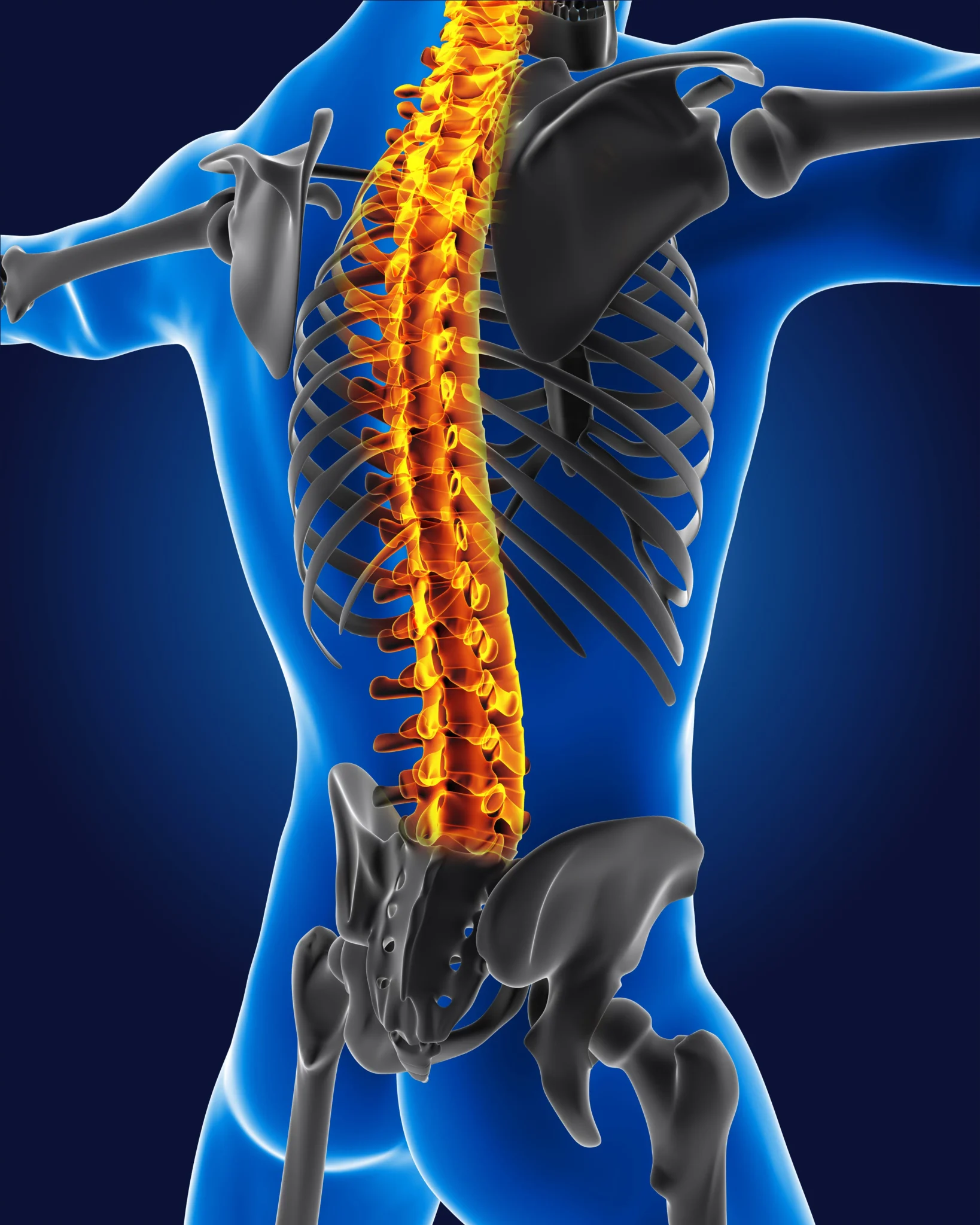
Expert Spine & Joint Care for Modern Lifestyle Disorders
Prolonged sitting, poor posture, and sedentary office habits can silently damage your spine, hips, and knee joints over time.
Specialized Spine, Hip & Knee Care
We provide targeted care for posture-related back pain, neck stiffness, hip tightness, and knee discomfort caused by long sitting hours. The focus is to reduce pain.
Advanced Diagnostic Evaluation
Accurate diagnosis is the foundation of effective treatment. We perform detailed clinical assessment and recommend imaging when required to identify muscle imbalance, spinal stress, disc issues, and joint strain—so the care plan is precise and results-driven.
Minimally Invasive Treatment Options
If conservative treatment does not help, modern minimally invasive procedures may be advised for selected conditions. These techniques aim to reduce tissue damage, relieve pain faster, and support quicker recovery with improved long-term function.
Comprehensive Rehabilitation Support
Recovery and prevention go hand-in-hand. We provide structured rehab focused on posture correction, core strengthening, flexibility training, and ergonomic guidance—helping prevent recurring pain and protecting long-term spine and joint health.
With trusted surgeons, personalized planning, and proven techniques, we deliver results that enhance your individuality, not change it.
#1 Best Clinic
Inspiring transformations from our clients
Explore inspiring client success stories of transformation. See how mindfulness coaching helps people move from stress and disconnection.
Our client say
Our Process
A clear, step-by-step medical approach designed to guide you smoothly through your knee replacement journey — from diagnosis to full recovery and long-term joint health.
Detailed Consultation
Your journey begins with a thorough evaluation of your knee condition, pain level, mobility, medical history, and lifestyle. Prof. Dr. Bhalla carefully examines reports and explains whether knee replacement is required, helping you clearly understand your condition and treatment options.
Personalised Treatment Planning
Based on your joint damage, age, activity level, and health condition, a customised surgical plan is created. Implant type, surgical technique, and recovery strategy are selected to ensure long-term stability, improved mobility, and the best possible outcome.
Advanced Surgical Precision
Knee replacement surgery is performed using modern, precision-based techniques to ensure accurate implant positioning, minimal tissue damage, and improved joint alignment. This helps reduce pain, improve movement, and support faster recovery.
Safe & Advanced Surgical Environment
The procedure is carried out in a fully equipped, sterile, and well-monitored surgical setup with advanced infrastructure and trained medical staff. Every safety protocol is followed to ensure a smooth, secure, and successful surgical experience.
Guided Recovery & Rehabilitation
After surgery, you receive structured physiotherapy guidance, mobility training, pain management, and recovery monitoring. This step is essential to restore strength, improve flexibility, and help you return to daily activities safely and confidently.
Long-Term Follow-Up Care
Regular follow-ups help track your recovery, joint performance, and implant stability. Continuous medical guidance ensures long-term success, sustained mobility, and a pain-free lifestyle after knee replacement surgery.
Our Gallery
Explore our collection of professional moments and achievements

The most common questions
We’re here to guide you at every step. Whether you’re exploring options for the first time or preparing for a procedure, our team ensures you feel informed, comfortable, and confident throughout your journey.
You can connect with us anytime for personalised advice, treatment details, or appointment assistance.
Contact Us
Call us: 8595471202
Email: care@drrajeshbhalla.com
Opening Hours
Mon - Sat: 10.00 am - 6.00 pm
1. Can sitting for long hours really cause back pain?
Yes. Prolonged sitting increases pressure on the lower back and spinal discs. Poor posture, such as slouching or leaning forward, further strains the neck and shoulders, leading to chronic back pain and stiffness over time.
2. How does sitting affect knee and hip joints?
Long hours of sitting tighten hip muscles and reduce blood circulation in the lower body. This can cause hip stiffness, knee discomfort, reduced flexibility, and increased joint stress when standing or walking.
3. What are the warning signs of posture-related spine damage?
Common warning signs include persistent neck or back pain, stiffness after sitting, tingling in arms or legs, headaches caused by neck tension, and difficulty maintaining an upright posture.
4. How can I prevent spine and joint problems while working in an office?
Maintain proper posture, use ergonomic furniture, keep your screen at eye level, take short movement breaks every 30–45 minutes, stretch regularly, and strengthen your core muscles to support your spine and joints.
Beauty tips and surgical insights
Explore expert tips and insights in our plastic surgery blog. Learn about the latest techniques to enhance your beauty and boost your confidence.

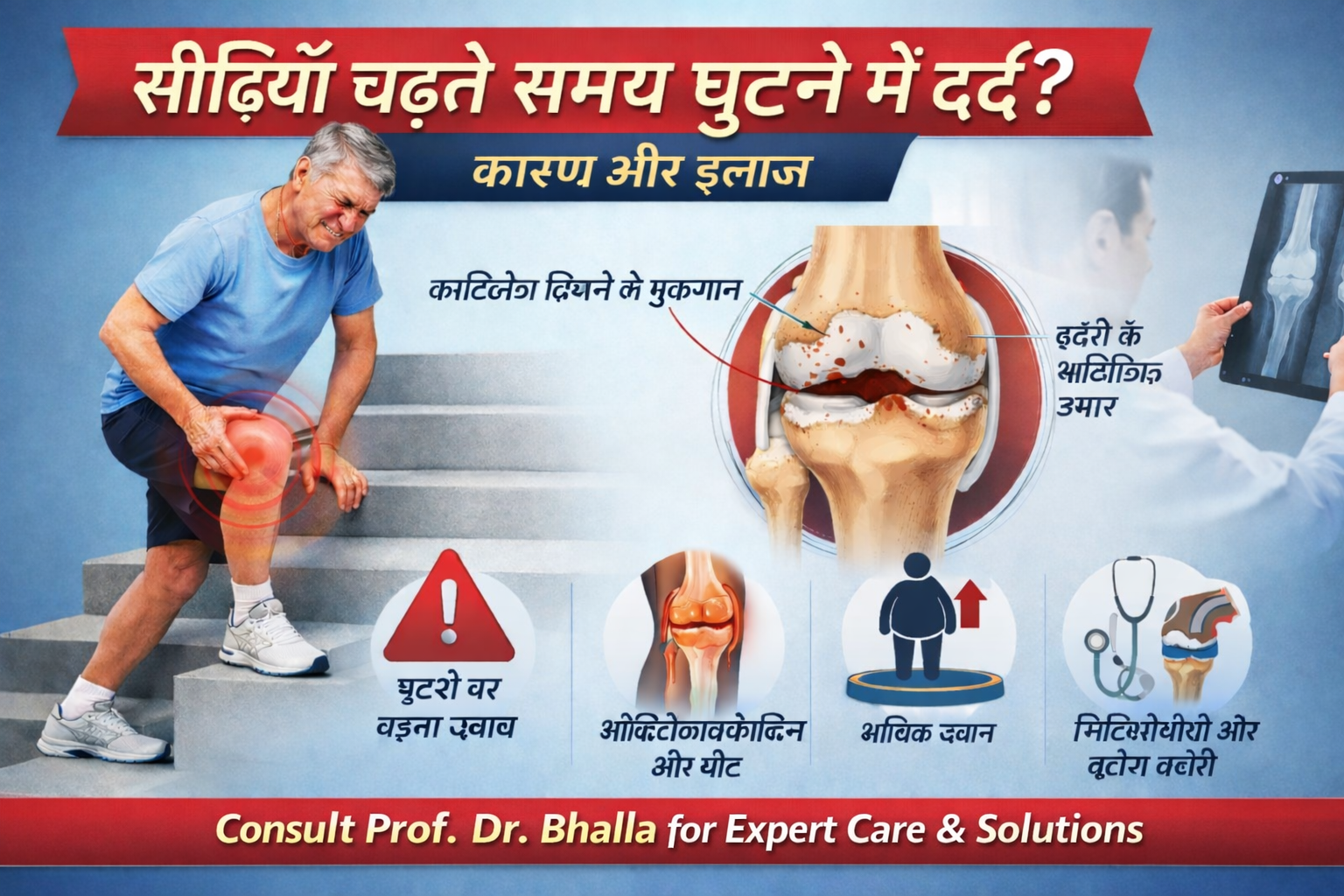
सीढ़ियाँ चढ़ते समय घुटने में दर्द? कारण और इलाज

उम्र के साथ घुटनों का दर्द क्यों बढ़ता है?

Sleep and Recovery: How Rest Affects Bone Healing After Surgery
Jawline Sculpting Options Fillers Chin Implants and V Shaping
Orthopaedic Red Flags: When Self-Treatment Becomes Dangerous