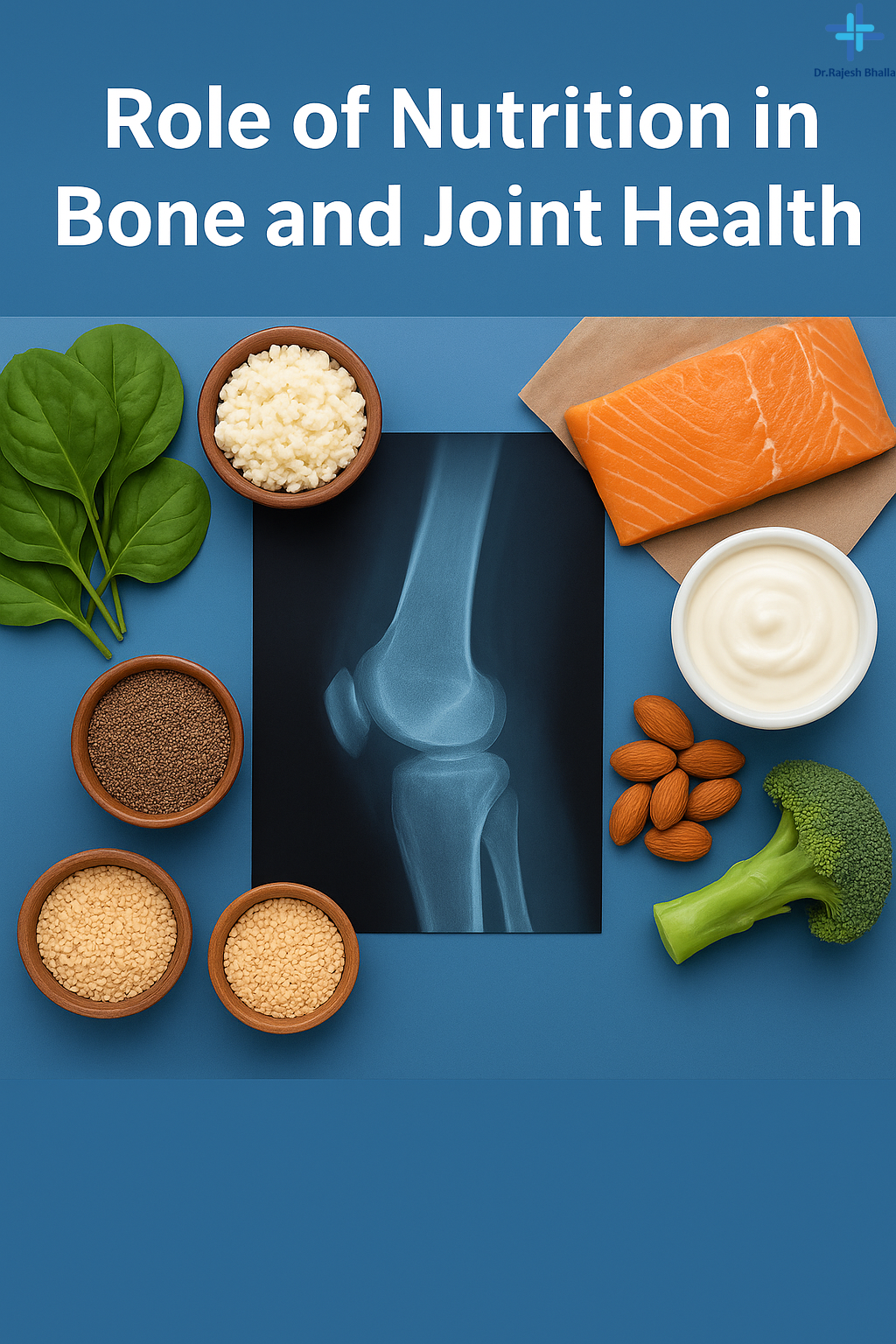
Maintaining healthy bones and joints is crucial for overall mobility, strength, and quality of life. While regular exercise and lifestyle habits play a crucial role, nutrition is a key factor that is often overlooked. A well-balanced diet rich in vitamins, minerals, and other nutrients supports bone density, joint flexibility, and helps prevent degenerative conditions like osteoporosis and arthritis. In this blog, we will explore the role of nutrition in bone and joint health and provide actionable tips to keep your skeletal system strong and pain-free.
Why Nutrition Matters for Bone and Joint Health
Bones and joints are living tissues that constantly undergo repair and regeneration. To function optimally, they require essential nutrients that support structural integrity, reduce inflammation, and promote cellular health. Poor nutrition can lead to weakened bones, joint pain, inflammation, and an increased risk of fractures. For example:
- Calcium deficiency can lead to reduced bone density and osteoporosis.
- Vitamin D deficiency can impair calcium absorption, weakening bones and increasing fracture risk.
- Insufficient protein intake can compromise collagen formation, which is vital for joint cartilage and bone strength.
- Excessive processed foods and sugars can trigger inflammation, worsening joint pain in conditions like arthritis.
Understanding which nutrients are crucial for bone and joint health is the first step toward a healthier skeletal system.
Key Nutrients for Healthy Bones and Joints
1. Calcium
Calcium is the primary mineral responsible for building strong bones. Approximately 99% of the body’s calcium is stored in bones and teeth, providing structural support and strength.
Sources of calcium:
- Dairy products: milk, yogurt, cheese
- Leafy green vegetables: spinach, kale, broccoli
- Fortified foods: plant-based milk, cereals
- Nuts and seeds: almonds, chia seeds
Tip: Adults should aim for 1,000–1,200 mg of calcium per day, depending on age and health conditions.
2. Vitamin D
Vitamin D plays a critical role in calcium absorption. Without sufficient vitamin D, even a calcium-rich diet may not be effective in maintaining bone density.
Sources of vitamin D:
- Sunlight exposure (10–20 minutes daily)
- Fatty fish: salmon, mackerel, tuna
- Fortified dairy or plant-based milk
- Egg yolks
Tip: Consider supplementation if you have limited sun exposure or dietary intake, after consulting a doctor.
3. Protein
Protein is essential for collagen formation, which is a key component of cartilage in joints. Adequate protein intake helps maintain bone strength and repair joint tissues.
Sources of protein:
- Lean meats: chicken, turkey, fish
- Plant-based: beans, lentils, tofu, quinoa
- Dairy products: milk, cheese, yogurt
4. Omega-3 Fatty Acids
Omega-3 fatty acids are known for their anti-inflammatory properties. They help reduce joint stiffness and pain, particularly in people with arthritis.
Sources of omega-3s:
- Fatty fish: salmon, sardines, mackerel
- Flaxseeds and chia seeds
- Walnuts
- Fish oil supplements (consult your doctor)
5. Magnesium
Magnesium supports bone structure by aiding calcium absorption and plays a role in muscle function, which indirectly supports joint health.
Sources of magnesium:
- Leafy greens: spinach, Swiss chard
- Nuts and seeds: almonds, pumpkin seeds
- Whole grains: brown rice, oats
- Legumes: black beans, lentils
6. Vitamin K2
Vitamin K2 helps in directing calcium to bones and teeth, preventing it from depositing in arteries or soft tissues. This is important for maintaining bone density and cardiovascular health.
Sources of vitamin K2:
- Fermented foods: natto, sauerkraut
- Cheese, especially hard cheeses
- Egg yolks
7. Antioxidants (Vitamin C, E, and Selenium)
Antioxidants help combat oxidative stress, which can damage cartilage and accelerate joint degeneration. Vitamin C is particularly important for collagen synthesis.
Sources of antioxidants:
- Fruits: oranges, strawberries, kiwi
- Vegetables: bell peppers, broccoli, spinach
- Nuts and seeds: almonds, sunflower seeds
Nutrition Tips for Joint Health
Beyond individual nutrients, a holistic dietary approach is essential:
- Eat a variety of whole foods – fruits, vegetables, lean proteins, whole grains, and healthy fats.
- Maintain a healthy weight – excess weight places stress on joints, increasing the risk of osteoarthritis.
- Limit processed foods and sugar – reduce inflammation and prevent bone mineral loss.
- Stay hydrated – water is essential for lubricating joints and maintaining cartilage health.
- Include anti-inflammatory foods – turmeric, ginger, and green tea may help reduce joint inflammation.
Supplements: When to Consider Them
While it’s best to get nutrients from natural foods, supplementation may be necessary in certain cases, especially for:
- Older adults at risk of osteoporosis
- People with dietary restrictions (vegan, lactose intolerant)
- Individuals with limited sun exposure (vitamin D deficiency)
Always consult a qualified orthopaedic or nutritional expert before starting supplements.
Lifestyle Habits that Complement Nutrition
Nutrition works best when combined with other bone and joint-friendly habits:
- Regular exercise – weight-bearing and resistance exercises strengthen bones.
- Avoid smoking and excessive alcohol – both negatively impact bone density.
- Proper posture and ergonomics – reduce unnecessary stress on joints.
Conclusion
A nutrient-rich diet plays a vital role in maintaining healthy bones and joints, but achieving optimal skeletal health often requires professional guidance. As an experienced orthopaedic specialist with years of expertise in treating bone and joint conditions, I, Dr. Rajesh Bhalla, emphasize a comprehensive approach that combines nutrition, lifestyle, and medical care.
Disclaimer:
The information provided in this article is for general educational purposes only and is not intended as medical advice. Nutritional and health recommendations may vary based on individual health conditions. Always consult a qualified healthcare professional or orthopaedic specialist, such as Dr. Rajesh Bhalla, before making any changes to your diet, exercise routine, or medical treatment plan. The author and website are not responsible for any adverse effects or outcomes resulting from the application of the information provided.