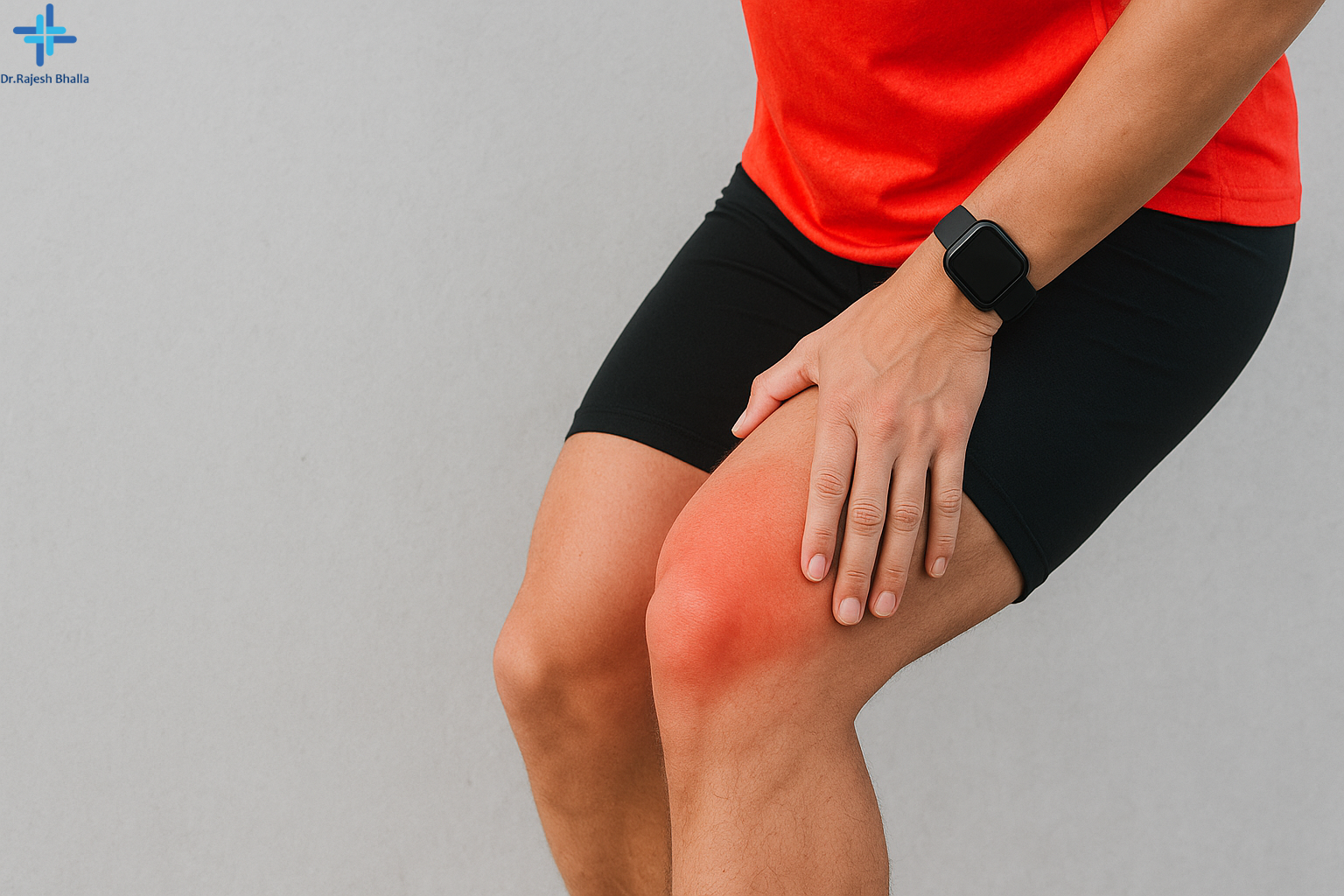
Running and sports are excellent ways to stay fit, build endurance, and boost overall health. However, they also put significant stress on the knees, which are among the most vulnerable joints in the body. For athletes and runners, knee injuries can be career-threatening, and, for recreational runners, they can significantly disrupt daily activities and long-term health.
Fortunately, with proper training techniques, preventive care, and lifestyle adjustments, knee injuries can often be avoided. In this blog, we’ll explore the most common causes of knee injuries in runners and athletes, prevention strategies, and when to seek expert medical advice.
Why Knee Injuries Are So Common in Athletes
The knee joint is a complex structure made up of bones, ligaments, tendons, and cartilage that work together to provide stability and mobility. Its location and function make it highly susceptible to injury, especially in high-impact sports or repetitive activities such as running.
Some common reasons athletes experience knee problems include:
- Overuse injuries from repetitive stress on the joint.
- Improper footwear that doesn’t support the feet and knees adequately.
- Muscle imbalances between the quadriceps, hamstrings, and calves.
- Poor running technique that places excess strain on the knees.
- Lack of warm-up and stretching leads to stiff muscles and reduced flexibility.
Common Knee Injuries in Runners and Athletes
Runner’s Knee (Patellofemoral Pain Syndrome
Pain around the kneecap, especially during running, climbing stairs, or sitting for long periods.
Iliotibial (IT) Band Syndrome
Pain on the outer side of the knee is caused by the friction of the IT band against the thigh bone.
Meniscus Tears
Often due to sudden twisting or impact, leading to swelling, stiffness, and limited movement.
Anterior Cruciate Ligament (ACL) Injuries
Common in sports involving sudden stops, pivots, or jumps (football, basketball).
Tendonitis
Inflammation of the tendons around the knee, often from repetitive overuse.
Understanding these injuries is the first step to effective prevention.
Tips to Prevent Knee Injuries in Runners and Athletes
Warm Up and Cool Down Properly
Jumping straight into intense activity increases the risk of injury. A proper warm-up increases blood flow, loosens muscles, and prepares joints for stress.
Warm-up essentials:
- 5–10 minutes of light jogging or brisk walking
- Dynamic stretches (leg swings, lunges, high knees)
- Sport-specific drills
After exercise, include cool-down stretches to reduce stiffness and promote recovery.
Strengthen Supporting Muscles
Strong muscles act as shock absorbers for the knees. Focus on building balanced strength in the quadriceps, hamstrings, glutes, and calves.
Effective exercises include:
- Squats (with proper form)
- Lunges
- Step-ups
- Hamstring curls
- Core strengthening (planks, bridges)
Balanced strength reduces pressure on the knees and improves stability.
Wear the Right Footwear
Shoes play a critical role in knee health. The wrong pair can lead to poor alignment, excessive impact, and injury.
- Choose shoes designed specifically for your sport.
- Replace running shoes every 500–700 kilometers.
- Use orthotic inserts if you have flat feet or high arches.
Focus on Running Form and Technique
Good running form reduces unnecessary stress on the knees.
Tips for proper technique:
- Keep your posture upright, not hunched.
- Land softly on the midfoot, not the heel.
- Avoid overstriding (taking steps that are too long).
- Maintain a steady cadence (steps per minute).
If possible, get your gait analyzed by a sports specialist to make corrections.
Avoid Overtraining
Many runners and athletes push beyond their body’s limits, leading to overuse injuries. Rest is as important as training.
- Follow the 10% rule: increase mileage or intensity by no more than 10% per week.
- Incorporate rest days into your schedule.
- Alternate high-impact activities with low-impact ones like swimming or cycling.
Stretch and Improve Flexibility
Tight muscles pull on the knee joint and increase injury risk. Regular stretching improves range of motion and reduces strain.
Focus on:
- Quadriceps stretches
- Hamstring stretches
- Calf stretches
- Hip flexor stretches
Yoga and Pilates are excellent for flexibility and joint mobility.
Use Proper Training Surfaces
Hard or uneven surfaces increase the stress on the knees. Whenever possible:
- Run on softer surfaces like grass, synthetic tracks, or trails.
- Avoid concrete pavements for long-distance runs.
- Vary training surfaces to reduce repetitive stress.
Listen to Your Body
Ignoring pain is one of the biggest mistakes athletes make. Persistent knee pain, swelling, or stiffness should never be overlooked. Early medical evaluation can prevent minor problems from turning into serious injuries.
Cross-Train for Balanced Fitness
Exclusively running or playing one sport can overuse certain muscles while neglecting others. Cross-training builds overall strength and reduces the risk of injuries.
Examples:
- Swimming for cardiovascular endurance with low joint impact
- Cycling for leg strength without knee strain
- Strength training for balanced muscle development
Seek Professional Guidance When Needed
If you experience recurring knee pain, consult an orthopaedic specialist. They can recommend physical therapy, bracing, or medical treatments tailored to your condition.
Conclusion
Knee injuries don’t have to be a part of an athlete’s journey. With the right training practices, proper footwear, strength-building, and awareness of your body’s signals, you can significantly reduce the risk of injury. Prevention is always better than long rehabilitation periods that could keep you away from the sport you love.
As a senior orthopaedic surgeon with decades of experience, I, Dr. Rajesh Bhalla, specialize in sports injuries, joint preservation, and advanced treatments for knee conditions. At Dr. Rajesh Bhalla, we provide expert care to help runners, athletes, and active individuals recover from injuries and, more importantly, prevent them.
Disclaimer
This blog is for informational purposes only and should not replace professional medical advice. If you are experiencing knee pain or suspect an injury, consult a qualified healthcare professional such as Dr. Rajesh Bhalla for an accurate diagnosis and treatment.