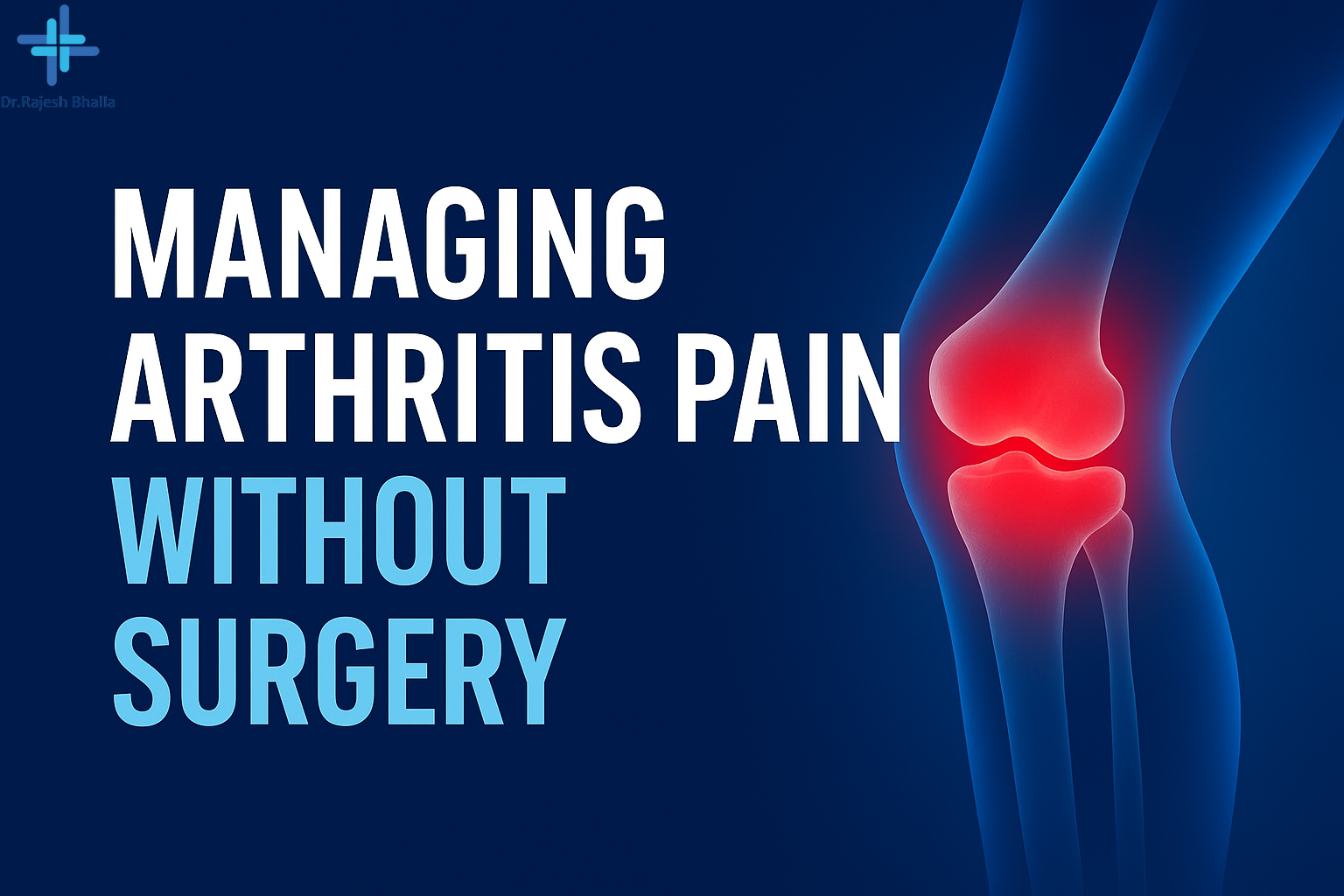
Arthritis is one of the most common joint-related conditions worldwide, affecting millions of people across all age groups. It causes pain, stiffness, swelling, and reduced mobility, significantly impacting daily life. While many patients fear that arthritis inevitably leads to surgery, the truth is that there are several effective ways to manage arthritis pain without surgery.
By adopting the right combination of lifestyle changes, medical treatments, and physiotherapy, patients can manage symptoms, slow disease progression, and continue to lead an active life.
In this blog, we will discuss non-surgical methods for managing arthritis pain, including natural remedies, medications, exercises, preventive strategies, and a joint-preserving protocol.
Understanding Arthritis
Arthritis is not a single disease; it refers to a group of conditions that cause joint inflammation and pain. The two most common types include:
- Osteoarthritis (OA): Caused by wear and tear of cartilage, leading to bone friction and joint pain.
- Rheumatoid Arthritis (RA): An autoimmune disorder where the body’s immune system attacks its own joints.
Regardless of the type, the goal of management is the same: reduce pain, improve mobility, and maintain quality of life.
Non-Surgical Approaches to Managing Arthritis Pain
1. Lifestyle Modifications
Making simple lifestyle changes can have a huge impact on arthritis management.
- Maintain a Healthy Weight: Excess weight increases pressure on weight-bearing joints like knees and hips. Even losing 5–10% of body weight can reduce pain significantly.
- Stay Active: Regular movement prevents stiffness. Focus on low-impact exercises such as swimming, cycling, or walking.
- Avoid Overuse: Give your joints time to rest after prolonged activity.
2. Exercise and Physiotherapy
Exercise is one of the most powerful tools to manage arthritis without surgery.
- Stretching Exercises: Improve flexibility and reduce stiffness.
- Strength Training: Strengthens muscles around the joint, providing better support.
- Aerobic Exercises: Low-impact activities like swimming or cycling improve cardiovascular health without straining joints.
- Physiotherapy: A physiotherapist can design a personalized program that strengthens muscles, improves posture, and increases mobility.
3. Medications for Arthritis Pain Relief
Doctors may prescribe medications to relieve pain and control inflammation.
- NSAIDs (Non-Steroidal Anti-Inflammatory Drugs): Such as ibuprofen and naproxen.
- Acetaminophen: Helps relieve mild pain.
- Topical Creams & Gels: Applied directly on joints for quick relief.
- Corticosteroid Injections: Reduce severe inflammation for temporary relief.
- DMARDs (Disease-Modifying Anti-Rheumatic Drugs): Used for rheumatoid arthritis to slow disease progression.
Always use medications under the guidance of a qualified doctor.
4. Dietary Changes and Supplements
Nutrition plays a key role in joint health.
- Anti-Inflammatory Diet: Include foods rich in omega-3 fatty acids (salmon, flaxseeds, walnuts), fresh vegetables, whole grains, and fruits.
- Limit Processed Foods & Sugars: These can trigger inflammation.
- Supplements: Glucosamine, chondroitin, vitamin D, and calcium may help maintain bone and joint health. Consult your doctor before starting supplements.
5. Alternative Therapies
Many patients find relief through alternative approaches alongside conventional treatment.
- Acupuncture: Stimulates specific points to reduce pain.
- Massage Therapy: Improves circulation and relieves stiffness.
- Hot & Cold Therapy: Heat relaxes muscles and eases stiffness, while cold packs reduce inflammation and swelling.
- Yoga & Meditation: Reduce stress, improve flexibility, and enhance overall well-being.
6. Assistive Devices
Assistive tools can make daily activities easier and protect joints.
- Braces & Splints: Provide support and reduce strain.
- Walking Aids: Such as canes or walkers, improve balance and reduce joint stress.
- Orthotic Shoe Inserts: Help correct posture and reduce pressure on knees.
7. Pain Management Strategies
Managing chronic arthritis pain requires a holistic approach.
- Mind-Body Techniques: Breathing exercises and meditation reduce stress-related pain.
- Good Sleep Hygiene: Poor sleep increases pain sensitivity. Maintain a consistent sleep schedule.
- Pacing Activities: Break tasks into smaller steps to avoid joint overuse.
Joint Preserving Protocol
At Dr. Rajesh Bhalla’s clinic, we focus on joint preservation — a comprehensive approach to delay or even prevent the need for joint replacement surgery. The Joint Preserving Protocol combines advanced diagnostic evaluation with customized treatment strategies aimed at maintaining natural joints for as long as possible.
Key elements include:
- Early Diagnosis & Monitoring: Identifying arthritis at its initial stages with clinical assessment and imaging.
- Personalized Physiotherapy Programs: To strengthen muscles, improve alignment, and reduce joint load.
- Regenerative Therapies: Where suitable, advanced treatments like platelet-rich plasma (PRP) injections or stem cell therapies may be recommended to promote healing.
- Biomechanical Correction: Use of braces, insoles, and posture correction to offload stressed areas of the joint.
- Targeted Medications & Supplements: To reduce inflammation, protect cartilage, and maintain bone health.
- Lifestyle & Nutrition Counseling: A tailored diet plan and weight management support to enhance long-term joint health.
This holistic, patient-centered approach ensures that every effort is made to preserve the joint, improve function, and delay surgery for as long as possible.
Preventing Arthritis from Progressing
While arthritis cannot always be prevented, its progression can be slowed with proactive measures:
- Regular exercise and weight control
- Avoiding repetitive strain on joints
- Protecting joints during sports or activities
- Seeking early medical intervention when pain begins
When Surgery May Become Necessary
While many patients can manage arthritis without surgery, some may eventually require procedures like knee or hip replacement if:
- Pain becomes severe and constant
- Mobility is significantly reduced..
- Conservative treatments fail to provide relief.
Surgery is not the first option, but it remains a highly effective last resort for advanced arthritis.
Conclusion – Consult Dr. Rajesh Bhalla for Expert Arthritis Care
Living with arthritis does not always mean surgery. With the right combination of lifestyle changes, physiotherapy, medications, joint-preserving protocols, and non-surgical treatments, you can manage arthritis pain effectively and continue living an active, fulfilling life.
At Dr. Rajesh Bhalla’s clinic, we provide comprehensive care for patients with arthritis and joint-related conditions. With decades of experience in orthopedic and joint replacement surgery, Dr. Rajesh Bhalla emphasizes joint preservation and non-surgical management whenever possible.
Disclaimer
This blog is intended for educational purposes only and should not be considered a substitute for professional medical advice, diagnosis, or treatment. Arthritis management varies from person to person, depending on the severity of the condition and overall health. Always consult a qualified orthopedic specialist or healthcare provider, such as Dr. Rajesh Bhalla, before making decisions about your treatment, medications, or lifestyle changes.