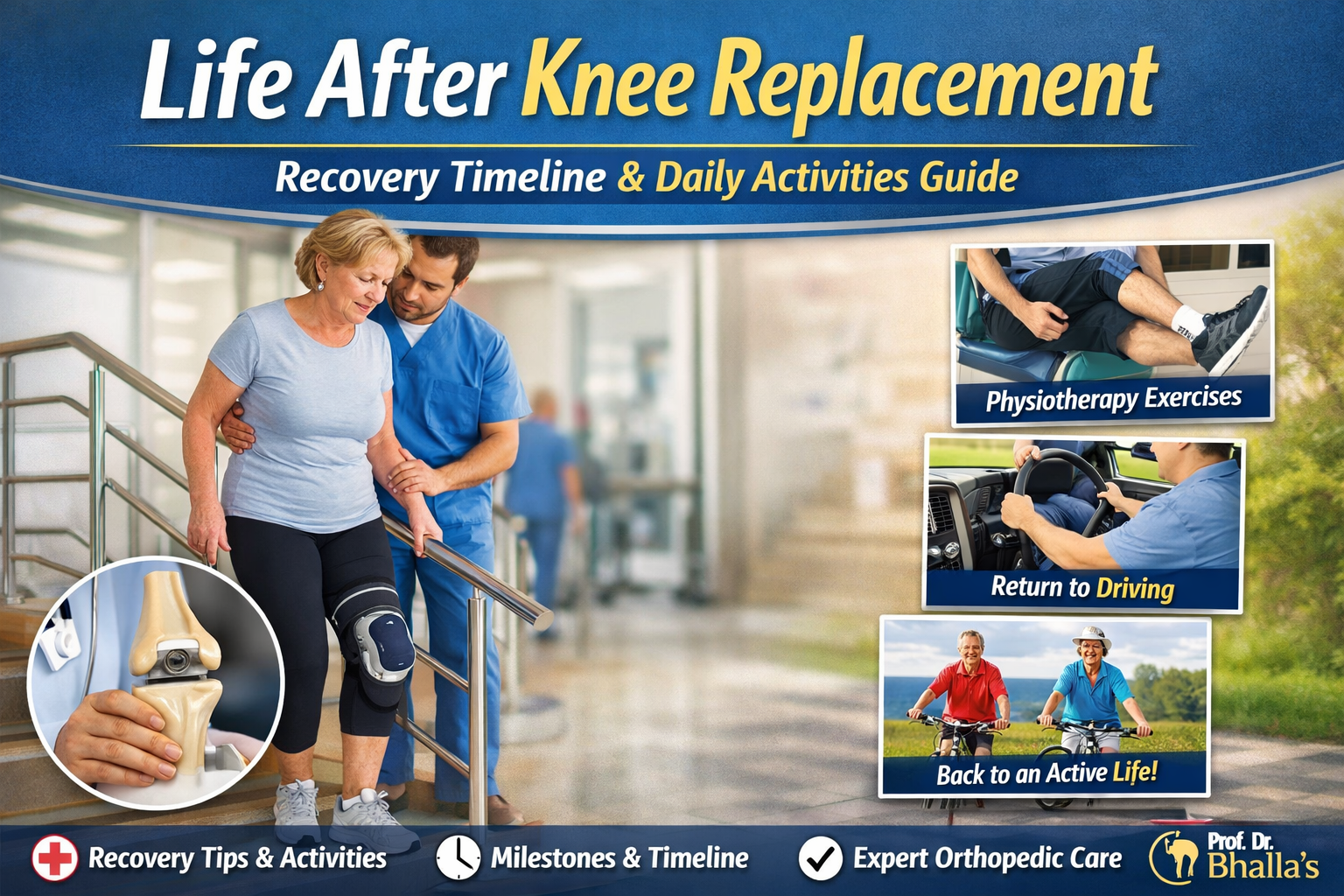
Knee replacement surgery can be life-changing for people suffering from chronic knee pain, stiffness, and reduced mobility. While the decision to undergo knee replacement is important, understanding what life looks like after surgery is equally crucial. Knowing the recovery timeline and how daily activities gradually return helps patients stay confident, motivated, and prepared for a smoother rehabilitation journey.
Life after knee replacement is not about just healing the joint—it’s about regaining independence, comfort, and an active lifestyle. With the right care, guidance, and rehabilitation, most patients experience significant pain relief and improved mobility.
What to Expect After Knee Replacement Surgery
Knee replacement surgery involves replacing the damaged knee joint with an artificial implant designed to restore movement and reduce pain. Whether it’s a partial or total knee replacement, recovery follows a structured process that progresses over weeks and months.
Post-surgery recovery focuses on:
- Pain management
- Regaining knee movement
- Strengthening surrounding muscles
- Returning safely to daily activities
Every patient’s recovery journey is unique, but having realistic expectations can make the experience far more comfortable and successful.
Recovery Timeline After Knee Replacement
First 24–72 Hours After Surgery
The initial phase of recovery begins immediately after surgery.
- Mild to moderate pain and swelling are common
- Patients are encouraged to stand and walk with support within 24 hours
- Physical therapy usually starts on the same or next day
- Knee bending and straightening exercises are introduced early
Early movement is essential to improve circulation, prevent stiffness, and speed up recovery.
Week 1–2: Early Recovery Phase
During the first two weeks, patients focus on healing and basic mobility.
- Walking short distances with a walker or crutches
- Performing daily physiotherapy exercises
- Gradual reduction in pain and swelling
- Improved ability to sit, stand, and move independently
Most patients are discharged from the hospital within 2–4 days, depending on overall health and recovery progress.
Week 3–6: Regaining Strength & Confidence
This phase marks noticeable improvement in comfort and movement.
- Increased walking distance with less support
- Better knee flexibility and strength
- Ability to perform daily tasks such as dressing, bathing, and light household activities
- Reduced dependency on pain medications
By the end of this stage, many patients can walk without assistance and feel more confident in their movements.
2–3 Months: Returning to Normal Activities
At this stage, recovery becomes more functional.
- Improved balance and knee stability
- Comfortable stair climbing with proper technique
- Ability to drive (after medical clearance)
- Return to desk jobs or light work
Regular physiotherapy continues to play a vital role in restoring natural movement patterns.
6 Months and Beyond: Long-Term Recovery
Full recovery can take up to 6–12 months.
- Near-normal knee function
- Minimal or no pain during daily activities
- Improved endurance and flexibility
- Return to low-impact recreational activities
With proper care, knee replacement implants can last 15–20 years or longer.
Daily Activities After Knee Replacement
Walking
Walking is one of the most important activities after knee replacement.
- Short walks begin within days of surgery
- Gradually increase distance and pace
- Avoid uneven surfaces initially
- Wear supportive footwear
Walking regularly improves circulation, strength, and confidence.
Sitting and Standing
- Use chairs with armrests during early recovery
- Avoid low or soft seating
- Maintain proper posture to reduce strain on the knee
- Practice controlled sitting and standing movements
Climbing Stairs
Stair climbing improves gradually.
- Initially, go up with the healthy leg and down with the operated leg
- Use handrails for support
- With time, stair movement becomes smoother and pain-free
Sleeping Comfortably
- Sleep on your back or side with a pillow between knees
- Avoid twisting movements while getting in and out of bed
- Maintain a consistent sleep routine for healing
Driving
Most patients can resume driving after 4–6 weeks, provided:
- Pain is well controlled
- Knee strength and reflexes are adequate
- Doctor approval is given
Driving too early may affect safety and recovery.
Returning to Work
- Desk jobs: 4–6 weeks
- Light physical work: 6–8 weeks
- Heavy manual work: May require longer recovery
Work return depends on individual healing and job demands.
Exercise and Physical Activity
Low-impact exercises are encouraged after knee replacement.
Recommended activities include:
- Walking
- Cycling
- Swimming
- Gentle stretching and strengthening exercises
High-impact activities like running or jumping should be avoided to protect the implant.
Common Challenges During Recovery
Some patients may experience:
- Temporary stiffness or swelling
- Mild discomfort during exercises
- Fatigue during early rehabilitation
These are normal and usually improve with consistent therapy and proper rest. Following medical advice closely helps prevent complications.
Tips for a Smooth Recovery
- Follow physiotherapy exercises regularly
- Maintain a healthy weight to reduce knee stress
- Eat a balanced diet to support healing
- Avoid sudden or high-impact movements
- Attend follow-up appointments without delay
Discipline and patience are key to long-term success.
Why Choose Prof. Dr. Bhalla?
At Prof. Dr. Bhalla’s clinic, we focus on complete knee care from diagnosis to long-term recovery.
Our approach includes:
- Advanced surgical techniques for better outcomes
- Personalized recovery and rehabilitation plans
- Close post-operative monitoring
- Patient education for long-term joint health
With years of orthopedic expertise, Prof. Dr. Bhalla ensures that every patient receives individualized care for a faster, safer, and more comfortable recovery.
Final Thoughts
Life after knee replacement is about regaining freedom from pain and returning to an active, independent lifestyle. With proper rehabilitation, re orthopaedics in mobility and quality of life.Understanding the recovery timeline and adapting daily activities safely can make the journey smoother and more rewarding. If knee pain has been limiting your life, consulting an experienced orthopedic specialist like Prof. Dr. Bhalla can help you take confident steps toward lasting relief and better movement.