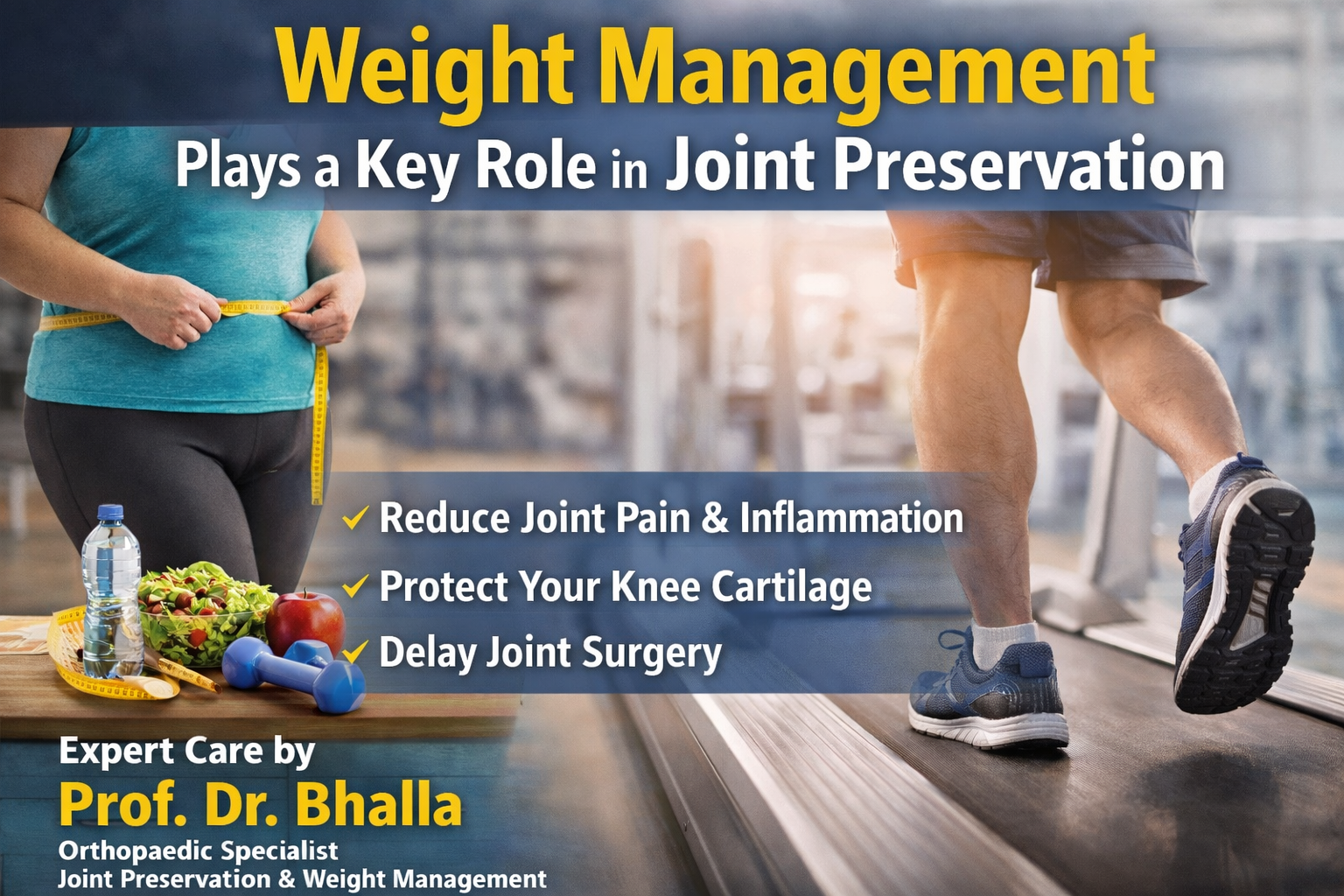
Weight management is one of the most powerful yet often overlooked factors in maintaining healthy joints. Excess body weight places continuous stress on weight-bearing joints such as the knees, hips, and ankles, accelerating joint wear and increasing the risk of arthritis. When addressed early, proper weight management can significantly slow joint degeneration, reduce pain, and help preserve natural joints for years to come.
Many patients assume joint pain is inevitable with age, but maintaining a healthy weight can dramatically change the course of joint health. Weight management is not just about appearance it is a critical medical strategy for joint preservation.
Understanding the connection between body weight and joint health empowers patients to take control of their mobility and long-term quality of life.
The Link Between Body Weight and Joint Health
Every step you take places force on your joints. In the knees, this force can be up to three to five times your body weight during daily activities like walking or climbing stairs. Excess weight multiplies this stress, accelerating cartilage breakdown.
Key effects of excess weight on joints include:
- Increased pressure on knee and hip joints
- Faster cartilage wear and tear
- Higher risk of developing arthritis
- Increased inflammation within joints
- Reduced mobility and endurance
Over time, this added stress can lead to pain, stiffness, and loss of joint function. Weight management helps reduce this load, giving joints a better chance to function normally and heal.
Why Weight Management Is Essential for Joint Preservation
Joint preservation aims to protect the natural joint and delay or prevent the need for joint replacement surgery. Weight control plays a central role in achieving this goal.
Effective weight management helps to:
- Reduce joint pain and stiffness
- Slow the progression of arthritis
- Protect remaining cartilage
- Improve response to joint preservation treatments
- Enhance mobility and physical performance
Even modest weight loss can produce noticeable improvements. Studies show that losing as little as 5–10% of body weight can significantly reduce knee pain and improve joint function.
How Weight Loss Reduces Joint Pain and Damage
Weight loss reduces mechanical stress and lowers inflammation levels in the body. Fat tissue produces inflammatory chemicals that worsen joint degeneration. By reducing excess weight, patients experience both mechanical and biological benefits.
Benefits include:
- Less pressure on joint surfaces
- Reduced swelling and inflammation
- Improved joint lubrication and movement
- Better muscle function around the joint
These improvements directly support joint preservation by creating a healthier environment for the joint to function and recover.
Weight Management as a Non-Surgical Joint Preservation Strategy
For patients with early joint degeneration or arthritis, weight management is often the first and most effective non-surgical treatment.
Key components include:
Nutritional Guidance
A balanced, nutrient-rich diet supports weight loss while promoting joint health. Anti-inflammatory foods can further reduce joint pain and stiffness.
Exercise and Physical Activity
Low-impact exercises such as swimming, cycling, yoga, and walking help burn calories while strengthening muscles around the joints without excessive stress.
Muscle Strengthening
Stronger muscles provide better joint support, reducing strain on cartilage and ligaments.
Lifestyle Modification
Simple changes such as reducing prolonged sitting, improving posture, and maintaining daily activity contribute to long-term weight control.
When combined with medical guidance, these strategies can significantly delay the need for surgical intervention.
Weight Management and Surgical Joint Preservation Outcomes
For patients undergoing joint preservation procedures, maintaining a healthy weight improves surgical outcomes and recovery.
Weight management helps to:
- Improve healing after procedures
- Reduce stress on repaired cartilage or meniscus
- Enhance long-term success of joint preservation surgeries
- Lower the risk of complications
Patients who maintain a healthy weight often experience longer-lasting benefits from procedures such as cartilage repair, osteotomy, or meniscus preservation.
Who Benefits Most From Weight-Based Joint Preservation?
Weight management is beneficial for nearly all patients, but it is especially important for:
- Patients with early-stage arthritis
- Individuals with knee or hip pain
- Younger and middle-aged adults
- Patients considering joint preservation surgery
- Those aiming to delay joint replacement
Early intervention provides the greatest benefit and helps protect joints before irreversible damage occurs.
Long-Term Benefits of Weight Management for Joint Health
Consistent weight control offers lasting advantages:
- Reduced joint pain
- Improved flexibility and endurance
- Slower arthritis progression
- Greater independence in daily activities
- Delayed or avoided joint replacement surgery
Weight management is a lifelong investment in joint health and overall well-being.
Practical Tips to Maintain a Joint-Friendly Weight
- Follow a balanced, sustainable diet
- Engage in regular low-impact exercise
- Avoid crash dieting or extreme routines
- Address joint pain early to stay active
- Seek professional guidance when needed
Small, consistent changes lead to long-term success.
Why Choose Prof. Dr. Bhalla for Joint Preservation and Weight Management Guidance?
At Prof. Dr. Bhalla’s clinic, joint preservation is approached holistically. We understand that weight management is a cornerstone of successful joint care.
Our comprehensive approach includes:
- Personalized joint and weight assessments
- Tailored treatment and rehabilitation plans
- Integration of non-surgical and surgical joint preservation strategies
- Patient education for long-term joint protection
- Continuous monitoring and support
With expert orthopedic care and patient-focused guidance, Prof. Dr. Bhalla helps patients preserve their natural joints and maintain active, pain-free lives.
Final Thoughts
Weight management is not just about reducing numbers on a scale it is about protecting your joints and preserving mobility. When addressed early, maintaining a healthy weight can significantly reduce joint pain, slow degeneration, and delay or even prevent the need for surgery.
If joint pain or arthritis is affecting your daily life, consulting an experienced orthopaedic specialist like Prof. Dr. Bhalla can help you understand how weight management fits into a comprehensive joint preservation plan keeping you active, mobile, and confident for the future.