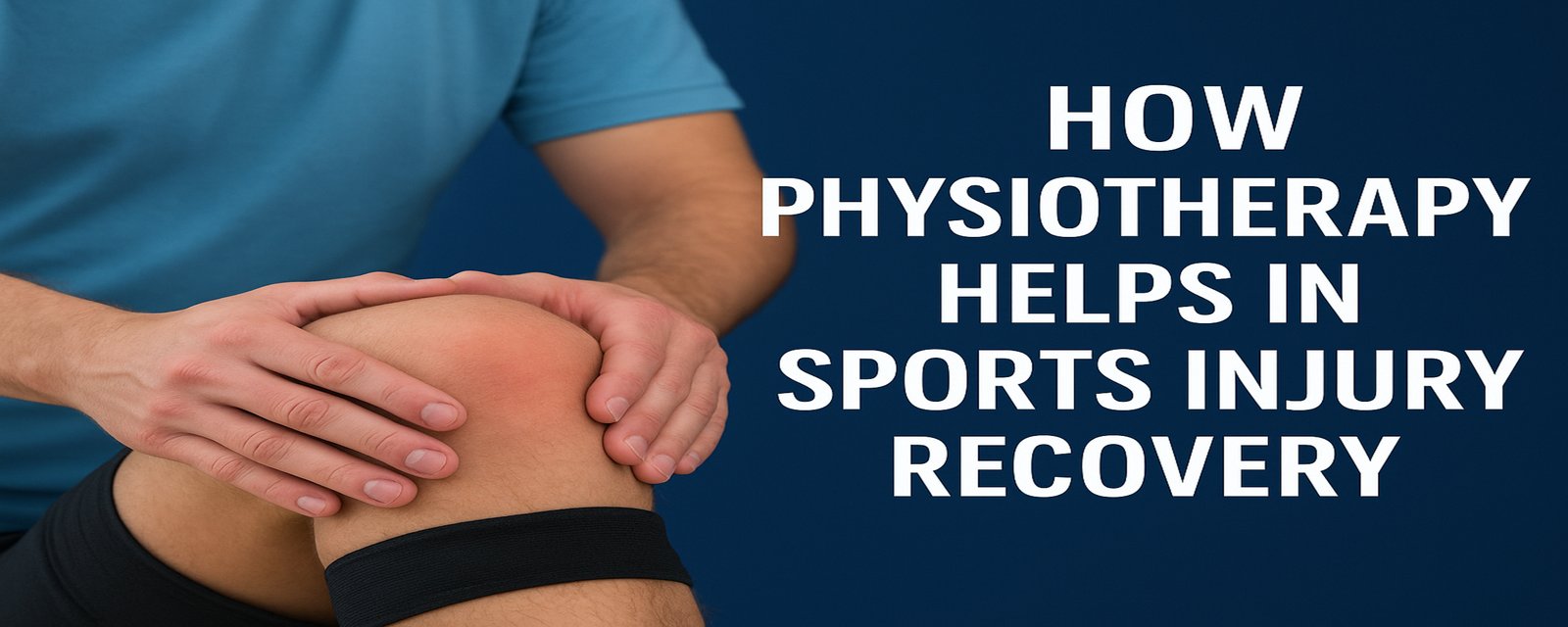
Sports injuries are a common challenge for athletes, fitness enthusiasts, and even individuals leading an active lifestyle. From sprains and ligament tears to muscle strains and joint dislocations, these injuries can affect performance, mobility, and overall quality of life. While rest and medical treatment are crucial, physiotherapy plays a vital role in speeding up recovery and preventing future injuries In this blog, we will explore the importance of physiotherapy in sports injury recovery, its benefits, and how it helps athletes return to their best form.
Common Sports Injuries That Require Physiotherapy
Sports injuries vary depending on the activity and intensity. Some of the most common injuries that benefit from physiotherapy include:
- Ligament injuries (ACL, MCL tears)
- Meniscus injuries
- Ankle sprains
- Rotator cuff tears
- Tennis elbow / Golfer’s elbow
- Hamstring and quadriceps strains
- Shin splints
- Stress fractures
Each of these conditions requires personalized rehabilitation, and that’s where physiotherapy becomes essential.
Why Physiotherapy is Crucial in Sports Injury Recovery
Physiotherapy is not just about reducing pain—it’s about restoring strength, flexibility, stability, and function. It ensures a safe and structured recovery process. Some major reasons why physiotherapy is important include:
- Pain Management – Techniques like ultrasound therapy, manual therapy, and cryotherapy help in reducing pain and swelling.
- Restoring Mobility – Targeted exercises improve flexibility and restore the range of motion in injured joints or muscles.
- Strengthening Muscles – Customized training programs strengthen weakened muscles and improve overall stability.
- Preventing Re-injury – Physiotherapists train patients in proper movement patterns and posture to reduce the risk of recurrence.
- Boosting Performance – Athletes recover not just to get back on the field but also to enhance their performance safely.
Physiotherapy Techniques Used in Sports Injury Recovery
Physiotherapists use a wide range of evidence-based techniques to promote healing. Some of the most effective methods include:
- Manual Therapy
Hands-on techniques like joint mobilization and soft tissue manipulation help in reducing stiffness and improving mobility. - Exercise Therapy
Personalized stretching and strengthening exercises restore function and enhance performance. These include resistance band exercises, balance training, and functional drills. - Electrotherapy
Modern modalities such as TENS (Transcutaneous Electrical Nerve Stimulation), ultrasound therapy, and electrical muscle stimulation help in pain relief and tissue healing. - Cryotherapy & Heat Therapy
Cold therapy reduces swelling, while heat therapy improves blood circulation, promoting faster recovery. - Kinesio Taping
Taping methods provide support to injured muscles and joints without limiting mobility, helping athletes perform safely. - Postural & Biomechanical Training
Correcting faulty movement patterns prevents strain and re-injury.
Benefits of Physiotherapy for Athletes
Athletes at both amateur and professional levels can greatly benefit from physiotherapy. Some key advantages include:
- Faster recovery from injuries
- Reduced pain and inflammation
- Improved balance and coordination
- Enhanced flexibility and endurance
- Safe return to sports and training
- Personalized care for each type of injury
Role of Physiotherapy in Long-Term Injury Prevention
Physiotherapy is not limited to injury recovery—it also plays a crucial role in preventive care. Regular physiotherapy sessions help athletes:
- Identify weaknesses and imbalances early
- Improve core stability and joint strength
- Develop proper warm-up and cool-down techniques
- Learn safe sports mechanics and body alignment
This proactive approach reduces the risk of recurring injuries and ensures athletes can enjoy a long and successful sporting career.
When Should You See a Physiotherapist After a Sports Injury?
You should consult a physiotherapist if you experience:
- Persistent swelling or pain after an injury
- Difficulty moving a joint or muscle
- Reduced flexibility or strength
- Repeated injuries in the same area
- Post-surgery rehabilitation needs
Early intervention leads to better outcomes and quicker recovery. Stay close and connect to your surgeon with regular follow-up to ensure optimal results.
Conclusion: Recover Stronger with the Right Care
Sports injuries can feel like a setback, but with the right rehabilitation approach, they can become a stepping stone to better performance and improved resilience. Physiotherapy ensures not only recovery but also long-term strength, stability, and injury prevention.
If you are dealing with a sports injury or want expert guidance for faster and safer recovery, consult Dr. Rajesh Bhalla, a leading orthopedic and arthroscopic surgeon in Delhi. With years of experience in treating joint injuries, ligament tears, and sports-related conditions, Dr. Bhalla combines advanced medical treatments with structured physiotherapy guidance to help patients get back to their active lifestyle.
Disclaimer:
This blog is for educational purposes only and should not be considered medical advice. Sports injury recovery may vary from person to person. Always consult your orthopedic surgeon or healthcare provider for personalized guidance regarding your condition, treatment, and rehabilitation plan. Stay close and connect to your surgeon with regular follow-up for optimal results.