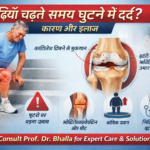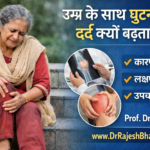
Cartilage damage is a common but often underestimated cause of joint pain, stiffness, and reduced mobility. Cartilage plays a crucial role in protecting joints by allowing smooth movement and absorbing shock during daily activities. When this protective tissue gets damaged, it can lead to long-term joint problems and may eventually progress to arthritis if left untreated.
Understanding the causes, early warning signs, and treatment options for cartilage damage is essential for maintaining joint health and preventing permanent damage.
What Is Cartilage and Why Is It Important?
Cartilage is a smooth, flexible, rubber-like connective tissue that covers the ends of bones inside joints. It acts as a cushion, allowing joints to move smoothly without pain or friction.
Healthy cartilage helps in:
- Reducing friction between bones, allowing smooth and pain-free joint movement
- Absorbing shock and impact during activities like walking, running, and climbing stairs
- Protecting bones from wear and tear, especially in weight-bearing joints
- Maintaining joint flexibility and stability for daily and athletic activities
Once damaged, cartilage has a very limited capacity for self-healingiagnosis and treatment are extremely important.
Causes of Cartilage Damage
Cartilage damage can develop gradually or occur suddenly due to injury. Common causes include:
- Age-related wear and tear, where cartilage naturally thins and weakens over time
- Sports injuries or accidents, involving sudden twisting, impact, or falls
- Repetitive joint stress, caused by physically demanding jobs or repetitive movements
- Obesity or excess body weight increases pressure on weight-bearing joints like the knees and hips
- Poor joint alignment or posture, leading to uneven load distribution across the cartilage
- Previous joint injuries or surgeries, which may weaken the cartilage structure
- Inflammatory joint conditions, causing long-term cartilage breakdown
Warning Signs of Cartilage Damage
Early symptoms of cartilage damage may be mild but usually worsen with time. Common warning signs include:
- Persistent joint pain, especially during or after physical activity
- Joint stiffness, particularly after rest, prolonged sitting, or early morning hours
- Swelling or tenderness around the affected joint due to inflammation
- Grinding, clicking, or locking sensation felt during joint movement
- Reduced range of motion, making bending or straightening the joint difficult
- Joint weakness or instability, especially while walking or bearing weight
Ignoring these symptoms can lead to progressive joint degeneration and early arthritis.
Common Joints Affected by Cartilage Damage
Cartilage damage can affect various joints, but it most commonly involves:
- The knee joint, due to heavy weight-bearing and frequent movement
- Hip joint, especially in older adults or after trauma
- Shoulder joint, often from repetitive overhead movements or sports injuries
- The ankle joint, affected following sprains or fractures.
Diagnosis of Cartilage Damage
Accurate diagnosis is essential for effective treatment planning. Evaluation may include:
- Detailed clinical examination to assess pain, joint movement, and stability
- X-rays, to evaluate joint space and bone changes
- MRI scans, which provide detailed images of cartilage condition and soft tissues
- Diagnostic arthroscopy, in selected cases, is used to directly visualize cartilage damage.
Treatment Options for Cartilage Damage
Treatment depends on the severity of cartilage damage, the joint involved, the patient’s age, and activity level.
Non-Surgical Treatment Options
Early-stage cartilage damage can often be managed without surgery through:
- Activity modification, reducing movements that stress the affected joint
- Weight management, decreasing pressure on joints, and slowing damage progression
- Pain-relief and anti-inflammatory medications to control symptoms
- Physiotherapy and muscle-strengthening exercises improve joint support and stability.
- Joint injections, such as lubricating or anti-inflammatory injections, are for symptom relief
Surgical Treatment Options
When non-surgical treatments are ineffective owhen r when damage is severe, surgery may be recommended:
- Arthroscopic cartilage repair procedures, using minimally invasive techniques
- Microfracture surgery, to stimulate new cartilage formation
- Cartilage restoration techniques, depending on the size and location of damage
- Partial or total joint replacement, in advanced cases with extensive cartilage loss
The choice of surgical treatment is individualized to ensure long-term joint function and pain relief.
Importance of Early Treatment
Delaying treatment of cartilage damage can result in:
- Progressive cartilage loss
- Increasing joint pain and stiffness
- Development of osteoarthritis
- Reduced mobility and quality of life
Early treatment helps in:
- Preserving joint structure and function
- Reducing pain and inflammation
- Slowing disease progression
- Avoiding major surgical procedures in the future
Why Choose Dr. Rajesh Bhalla?
At the clinic of Dr. Rajesh Bhalla, we provide comprehensive care for cartilage damage and joint disorders, focusing on:
- Accurate diagnosis using advanced imaging and evaluation techniques
- Personalized treatment plans tailored to each patient’s condition
- Expert non-surgical and surgical management
- Advanced joint preservation and replacement techniques
- Complete rehabilitation and long-term follow-up care
Final Thoughts
Cartilage damage can significantly affect joint health and daily functioning if left untreated. Recognizing early warning signs and seeking timely orthopedic care can prevent long-term complications and preserve joint mobility.
With expert guidance, modern treatment options, and personalized care, patients can manage cartilage damage effectively and continue to live an active, pain-free life.