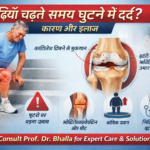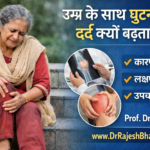
Joint pain caused by arthritis, cartilage damage, sports injuries, or age-related wear can gradually limit movement and reduce quality of life. For many patients, the biggest question is whether they should preserve their natural joint or proceed with joint replacement surgery.
Both joint preservation and joint replacement are effective treatment approaches, but they serve different purposes depending on the stage of joint damage, age, activity level, and lifestyle goals. Understanding the differences can help patients make informed, confident decisions about their joint health.
What Is Joint Preservation?
Joint preservation focuses on treating joint problems early to protect and maintain the natural joint structure for as long as possible. The goal is to reduce pain, improve function, and delay or avoid joint replacement surgery.
How Joint Preservation Works:
- Treats early cartilage damage and joint degeneration
- Improves joint alignment and load distribution
- Reduces inflammation and slows arthritis progression
- Preserves natural bone, cartilage, and joint mechanics
Joint preservation is most effective when joint damage is mild to moderate and detected early.
What Is Joint Replacement?
Joint replacement surgery involves removing the damaged joint surfaces and replacing them with artificial components to restore movement and eliminate pain. It is commonly performed for hips, knees, and shoulders.
How Joint Replacement Works:
- Damaged cartilage and bone are removed
- Artificial implants are placed to recreate joint movement
- Painful joint surfaces are eliminated
- Mobility and stability are restored
Joint replacement is recommended when joint damage is advanced and non-surgical or preservation methods no longer provide relief.
Joint Preservation vs Joint Replacement: Key Differences
Treatment Approach
- Joint Preservation: Protects and repairs the natural joint
- Joint Replacement: Replaces the damaged joint with implants
Stage of Arthritis
- Joint Preservation: Early to moderate arthritis
- Joint Replacement: Advanced or end-stage arthritis
Age & Activity Level
- Joint Preservation: Ideal for younger, active patients
- Joint Replacement: Suitable for patients of all ages with severe damage
Recovery Time
- Joint Preservation: Usually faster recovery
- Joint Replacement: Longer rehabilitation but predictable results
Longevity
- Joint Preservation: Delays or avoids replacement
- Joint Replacement: Implants last 15–25 years or more
Common Myths About Joint Preservation and Replacement
Myth: Joint replacement is always the best solution
Fact: Many patients benefit from joint preservation when treated early
Myth: Joint preservation is only temporary
Fact: It can delay joint replacement for many years
Myth: Younger patients should avoid surgery completely
Fact: Early intervention may prevent worsening damage
Myth: Joint replacement means permanent activity restrictions
Fact: Most patients return to daily activities comfortably
Conditions Treated with Joint Preservation
Joint preservation may be recommended for:
- Early-stage osteoarthritis
- Cartilage defects
- Ligament or meniscus injuries
- Joint alignment problems
- Sports-related joint injuries
- Chronic joint pain without severe arthritis
Early treatment plays a key role in preserving joint health.
Conditions Treated with Joint Replacement
Joint replacement is advised for patients with:
- Advanced osteoarthritis
- Rheumatoid arthritis
- Severe joint deformity
- Avascular necrosis
- Fractures affecting joint surfaces
- Persistent pain and stiffness despite treatment
It is recommended when joint damage significantly interferes with daily life.
How Doctors Decide Between Preservation and Replacement
Choosing the right option depends on a detailed evaluation.
Assessment Includes:
- Severity of joint damage
- Age and activity level
- Pain intensity and stiffness
- Imaging studies such as X-rays or MRI
- Previous treatments and response
- Patient expectations and lifestyle
A personalized treatment plan ensures the best possible outcome.
Recovery Expectations
Joint Preservation Recovery:
- Faster return to daily activities
- Less invasive procedures in many cases
- Physical therapy focused on joint protection
- Gradual improvement over weeks
Joint Replacement Recovery:
- Walking with support within days
- Physiotherapy for strength and mobility
- Return to routine activities in weeks
- Full recovery over several months
Following rehabilitation guidelines is essential for both options.
Benefits of Joint Preservation
- Maintains natural joint structure
- Delays or avoids major surgery
- Faster recovery
- Preserves future treatment options
- Ideal for active individuals
Benefits of Joint Replacement
- Reliable and long-lasting pain relief
- Restores mobility and independence
- Corrects severe deformities
- High success and satisfaction rates
- Improves overall quality of life
Who Is the Right Candidate?
Joint Preservation Is Best For Patients Who:
- Have early or moderate joint damage
- Want to remain active
- Have minimal deformity
- Seek to delay joint replacement
Joint Replacement Is Best For Patients Who:
- Have advanced joint degeneration
- Experience constant pain and stiffness
- Have limited daily function
- Do not respond to conservative treatments
Age alone is not the deciding factor joint condition and lifestyle matter most.
Why Choose Prof. Dr bhalla for Joint Care?
Prof. Dr bhalla provides expert guidance in both joint preservation and joint replacement.
Expertise Includes:
- Accurate diagnosis and personalized treatment planning
- Advanced joint preservation techniques
- Modern joint replacement surgery
- Minimally invasive approaches where appropriate
- Customized rehabilitation and long-term follow-up
Final Thoughts
Joint preservation and joint replacement are not competing options they are complementary solutions tailored to different stages of joint damage. Early diagnosis allows patients to benefit from preservation strategies, while joint replacement offers life-changing relief when damage becomes severe.
If joint pain is limiting your mobility and quality of life, consulting an experienced orthopedic specialist can help determine whether joint preservation or joint replacement is the best path toward long-term comfort, movement, and joint health.