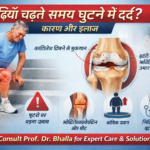

Signs Your Body Is Asking for a Joint Specialist
When you feel pain in your knees, shoulders, or hips, your first instinct might be to reach for a painkiller. After all, that’s the quick fix most of us have grown used to. But what if your body is trying to tell you something deeper, something that pills alone can’t fix?
Joint pain is more than just discomfort; it can be an early sign of underlying joint damage or disease that requires expert attention. Ignoring it or masking it with medication might give temporary relief, but can lead to long-term problems.
If you’ve been wondering when to stop self-medicating and start seeking professional help, this guide will help you recognize the key signs that your body needs a jointspecialistt not just painkillers.
1. When Pain Persists Beyond a Few Weeks
It’s normal to experience occasional aches after intense workouts, long walks, or physical exertion. However, persistent joint pain lasting more than two to three weeks is a red flag that shouldn’t be ignored.
Painkillers may dull the sensation, but they don’t treat inflammation, cartilage wear, or joint degeneration, the real culprits behind chronic pain. For instance, a study published by the Arthritis Foundation found that around 30% of people with early osteoarthritis ignore pain for months, delaying treatment that could have slowed disease progression.
If your pain keeps returning or is accompanied by stiffness and swelling, it’s time to consult an orthopedic or joint specialist. Early diagnosis through imaging and physical examination can prevent irreversible damage.
2. When Painkillers Stop Working or Cause Side Effects
Painkillers like ibuprofen or paracetamol are effective for short-term relief, but overuse can lead to problems such as gastric ulcers, kidney strain, or heart issues. If you find yourself taking increasing doses just to function normally, that’s your body’s way of saying the problem lies deeper.
Chronic reliance on painkillers doesn’t heal the joint n;t it only masks inflammation, cartilage erosion, or bone misalignment.
A better long-term solution is to identify and treat the underlying cause, whether it’s arthritis, tendon injury, or cartilage wear. Joint specialists often recommend a combination of physiotherapy, lifestyle changes, and minimally invasive procedures to manage pain effectively without long-term medication dependency.
3. Stiffness or Reduced Range of Motion in the Joints
Can you no longer bend, stretch, or rotate your joints like you used to? That’s a warning sign that your joints are losing flexibility or lubrication.
Morning stiffness that takes more than 30 minutes to ease or discomfort during simple activities like climbing stairs, sitting cross-legged, or lifting your arm could mean arthritis, ligament strain, or joint inflammation.
Why It Matters
Reduced range of motion doesn’t just impact daily comfort, it can lead to muscle weakness and poor posture. According to Harvard Health Publishing, limited joint mobility can progress into deformity or chronic instability if left untreated.
What You Can Do
A joint specialist can conduct mobility tests to identify whether stiffness is caused by cartilage loss, inflammation, or mechanical imbalance. Based on the diagnosis, they may recommend physiotherapy, anti-inflammatory injections, or even regenerative treatments such as platelet-rich plasma (PRP) therapy.
4. Swelling, Warmth, or Redness Around the Joints
Swelling and tenderness around the joints aren’t just signs of overuse; they often point to inflammation or infection.
If you notice warmth, redness, or fluid accumulation (especially in the knees or elbows), it may indicate conditions such as bursitis, gout, or rheumatoid arthritis.
Ignoring these symptoms or using painkillers to suppress discomfort can worsen inflammation and lead to permanent joint damage.
For instance, untreated rheumatoid arthritis can cause irreversible deformities in as little as six months.
What Experts Recommend
Instead of masking symptoms, specialists perform joint fluid analysis or blood tests to identify the underlying cause of inflammation.
Early diagnosis can help prevent cartilage erosion and joint instability.
If these symptoms sound familiar, book an appointment with a trusted rheumatologist or joint pain specialist who can recommend targeted therapy before damage becomes irreversible.
5. Pain That Disrupts Sleep or Daily Activities
When pain interferes with your sleep, mood, or ability to perform daily tasks, it’s a sign that you need more than symptomatic relief.
Pain that keeps you awake at night, especially in the shoulder, hip, or knee, could be due to degenerative joint disease, rotator cuff tears, or cartilage damage.
According to the National Institute of Arthritis and Musculoskeletal and Skin Diseases (NIAMS), joint pain that affects daily function should be evaluated promptly. Continuous pain leads to muscle atrophy and decreased quality of life if not addressed early.
Real-World Example
A 45-year-old working professional with chronic knee pain ignored it for months, relying on over-the-counter painkillers. When he finally visited a joint specialist, MRI scans revealed advanced cartilage thinning. With timely intervention, physiotherapy, weight management, and joint injections, he avoided surgery and regained mobility within six months.
6. Clicking, Grinding, or Unusual Sounds in the Joint
Hearing a faint “click” or “pop” occasionally during movement is usually harmless. However, frequent grinding or clicking accompanied by pain or swelling could signal structural problems like cartilage wear, ligament tears, or joint misalignment.
Why This Happens
As cartilage wears down, bones may start rubbing against each other, producing a cracking sound known as crepitus. This is commonly seen in knee and shoulder joints affected by osteoarthritis or meniscus injuries.
When to See a Specialist
If these sounds are new, persistent, or accompanied by pain, stiffness, or instability, it’s best to get evaluated by an orthopedic expert. They can use imaging tests to check for cartilage loss or mechanical misalignment and suggest corrective treatments, often avoiding surgery if caught early.
7. Recurrent Injuries or Joint Instability
Do you often twist your ankle, strain your knee, or feel that your joint might “give way” while walking? Recurrent injuries are not just bad luck; they indicate underlying instability or weakened connective tissues.
Ignoring repeated sprains or dislocations can make the ligaments looser, increasing the risk of arthritis later in life.
A joint specialist can assess whether you need strengthening therapy, bracing, or arthroscopic repair to stabilize the joint and prevent further injury.
Practical Tip
Engaging in low-impact exercises like swimming, yoga, or cycling helps maintain joint stability while reducing stress on the bones. However, these should be performed under expert guidance after diagnosis.
8. When Painkillers Hide the Real Problem
Many people delay seeing a specialist because painkillers make them feel “fine.” But numbing the pain doesn’t mean the problem is gone; it just means your body’s alarm system is silenced.
By the time the pain returns (often worse than before), the joint may have sustained significant damage.
Long-term painkiller dependency can also mask serious conditions like osteonecrosis, tendon rupture, or progressive arthritis.
That’s why consulting an orthopedic doctor at the first signs of persistent pain is not just wise, it’s essential for protecting your future mobility and independence.
Conclusion
Your joints are the foundation of your movement and quality of life. When they start showing signs of distress, persistent pain, stiffness, swelling, or reduced flexibility’s not something to ignore or silence with a pill.
Painkillers may provide relief, but only a joint specialist can provide answers. Early intervention, proper diagnosis, and personalized treatment can prevent chronic pain and keep you active for years to come.
If you’re experiencing any of these warning signs, don’t wait until it’s too late.
Consult an experienced orthopedic specialist in Delhi or visit a reputable orthopedic clinic near you to explore advanced, non-surgical, and minimally invasive solutions.
Disclaimer
The information provided in this blog is for educational and awareness purposes only and should not be considered medical advice. Joint pain, stiffness, swelling, and related symptoms can have various causes, and proper diagnosis requires a physical examination and evaluation by a qualified healthcare professional.
Always consult with an orthopedic specialist, joint expert, or your healthcare provider before starting or stopping any treatment, medication, or exercise routine. Do not rely solely on online information to make decisions about your health, especially if your symptoms are persistent, worsening, or affecting your daily life.
If you are experiencing severe pain, sudden swelling, injury, or difficulty moving a joint, seek immediate medical attention.