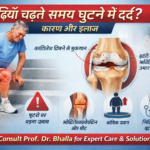

Knee pain is one of the most common orthopedic complaints worldwide, particularly among adults over 40. While occasional knee discomfort may come and go, persistent pain, stiffness, or swelling could be an early sign of knee osteoarthritis (OA). This degenerative joint condition gradually affects mobility and quality of life.
As an Orthopedic Specialist, I have seen hundreds of patients who ignore the initial signs of knee osteoarthritis, only to face advanced cartilage damage later. Recognizing the symptoms early and seeking timely treatment can significantly delay disease progression and improve long-term joint health.
In this article, we’ll explore the early signs, causes, diagnosis, and effective treatment options for knee osteoarthritis — along with practical tips to maintain strong and healthy knees.
What is Knee Osteoarthritis?
Knee osteoarthritis is a degenerative joint disease that occurs when the protective cartilage that cushions the ends of the bones wears down over time. This leads to friction between the bones, causing pain, stiffness, swelling, and reduced range of motion.
While osteoarthritis can affect any joint, the knees are particularly vulnerable because they bear much of the body’s weight during walking, running, and standing.
Knee osteoarthritis is typically a slow-progressing condition, developing gradually over several years. However, with proper care, lifestyle changes, and medical guidance, you can manage its symptoms and maintain an active lifestyle.
Common Causes of Knee Osteoarthritis
Knee osteoarthritis can develop due to several contributing factors, including:
- Age: The risk increases significantly after 40, as cartilage naturally begins to degenerate.
- Genetics: A family history of osteoarthritis can increase your susceptibility.
- Obesity: Extra body weight puts additional stress on the knee joints.
- Previous Injuries: Past injuries like ligament tears or fractures can accelerate cartilage wear.
- Repetitive Strain: Certain occupations or sports that involve frequent kneeling, squatting, or heavy lifting increase the risk.
- Joint Misalignment: Improper alignment of the bones or abnormal walking patterns can lead to uneven joint stress.
Understanding the cause helps in developing a targeted treatment plan and preventing further joint deterioration.
Early Signs and Symptoms of Knee Osteoarthritis
Recognizing the early warning signs is crucial for timely diagnosis and management. If you experience any of the following symptoms, consult an orthopedic specialist without delay:
- Morning Stiffness: Stiffness after waking up or after sitting for a long time is often an early sign.
- Joint Pain During Activity: Pain that worsens after walking, climbing stairs, or prolonged standing.
- Swelling or Inflammation: The knee may appear puffy or swollen due to fluid accumulation.
- Crackling or Grinding Sound (Crepitus): A crunching sound when bending or straightening the knee.
- Reduced Range of Motion: Difficulty in fully bending or straightening the knee.
- Weakness or Instability: Feeling like your knee might “give way” during movement.
Ignoring these early symptoms can lead to cartilage loss and chronic pain, making it harder to manage later.
Diagnosis: How Knee Osteoarthritis is Identified
An accurate diagnosis helps guide the right treatment plan. A comprehensive evaluation typically includes:
- Physical Examination: The doctor checks joint tenderness, swelling, range of motion, and stability.
- X-rays: Reveal joint space narrowing, bone spurs, and other signs of cartilage loss.
- MRI Scan: Used to assess soft tissue damage and early cartilage degeneration.
- Lab Tests: Blood tests or joint fluid analysis to rule out other conditions like rheumatoid arthritis.
Early diagnosis allows for timely intervention, which can slow down joint degeneration and preserve mobility.
Treatment Options for Knee Osteoarthritis
While osteoarthritis cannot be completely reversed, effective treatments can help control symptoms and improve joint function. The right treatment depends on the stage of the disease and the patient’s lifestyle.
1. Lifestyle Modifications
- Weight Management: Losing even a small amount of weight reduces pressure on your knees.
- Low-Impact Exercise: Swimming, cycling, and physiotherapy help strengthen muscles without stressing joints.
- Avoid Prolonged Standing: Taking short breaks while working or walking can relieve joint strain.
2. Physiotherapy and Strengthening Exercises
Physiotherapy is one of the most effective conservative treatments for osteoarthritis.
A tailored program can:
- Improve flexibility
- Strengthen the quadriceps and hamstring muscles.
- Enhance balance and posture.
- Reduce pain through guided joint mobilization.
3. Medications
Doctors may prescribe medications to relieve pain and inflammation, such as:
- NSAIDs (Non-Steroidal Anti-Inflammatory Drugs): Ibuprofen or diclofenac for short-term relief.
- Topical Analgesics: Creams or gels applied directly on the knee for localized relief.
- Corticosteroid Injections: Provide temporary relief from inflammation in advanced cases.
However, long-term use of painkillers should be avoided without medical supervision.
4. Regenerative Therapies
Emerging treatments like Platelet-Rich Plasma (PRP) therapy and stem cell therapy aim to promote healing and delay the need for surgery by repairing damaged tissues. Consult your orthopedic specialist to see if these are suitable options for your condition.
5. Knee Braces and Support Devices
Braces or orthotic devices can help in stabilizing the knee joint, especially during physical activity. They also improve walking posture and reduce discomfort.
6. Surgical Treatments
When conservative methods fail to provide relief, surgical intervention may be recommended.
Common surgical options include:
- Arthroscopy: A minimally invasive procedure to clean out damaged cartilage or bone spurs.
- Osteotomy: Bone realignment to reduce pressure on the damaged part of the joint.
- Partial or Total Knee Replacement: In severe cases, replacing the damaged joint with an artificial implant offers long-term relief and restored mobility.
Tips to Prevent Knee Osteoarthritis Progression
While osteoarthritis can’t always be prevented, these practical tips can slow its progression:
- Maintain a healthy body weight.
- Incorporate stretching and strengthening exercises into your routine.
- Avoid high-impact sports that strain the knees.
- Use proper posture and footwear.
- Stay hydrated and consume a diet rich in calcium and vitamin D.
- Don’t ignore early symptoms — early medical attention makes a big difference.
When to See an Orthopedic Specialist
You should seek professional help if:
- There is visible swelling or stiffness that limits daily activities.
- Over-the-counter medications and home remedies are no longer effective.
- You experience locking, instability, or grinding in the knee.
Getting an expert evaluation ensures a precise diagnosis and customized treatment plan for faster recovery.
Conclusion
Knee osteoarthritis is a progressive condition, but with the right treatment approach, you can live an active and pain-free life. Early diagnosis, physiotherapy, weight management, and lifestyle changes are key to managing symptoms effectively and avoiding surgery.
If you are experiencing knee pain, stiffness, or difficulty walking, don’t delay your consultation. As a Senior Orthopedic Surgeon with years of experience in treating joint and knee conditions, I, Dr. Rajesh Bhalla, provide personalized and evidence-based care tailored to each patient’s needs.
Disclaimer
The information provided in this article is intended for educational and informational purposes only and should not be considered a substitute for professional medical advice, diagnosis, or treatment. Always seek the guidance of your orthopedic specialist or qualified healthcare provider with any questions you may have regarding your knee pain or any medical condition.
Do not ignore professional medical advice or delay seeking treatment because of information you have read on this website. Individual results and recovery timelines may vary.